MEET Battery Research Center Unveils Game-Changing Modular Battery Production Line
The MEET Battery Research Center at the University of Münster is breaking new ground with the launch of REFlexBatt 2.0, a cutting-edge modular pilot line designed to transform battery cell production for a wide variety of materials. This breakthrough project aims to accelerate development and deployment of next-generation battery technologies with unprecedented flexibility and efficiency.
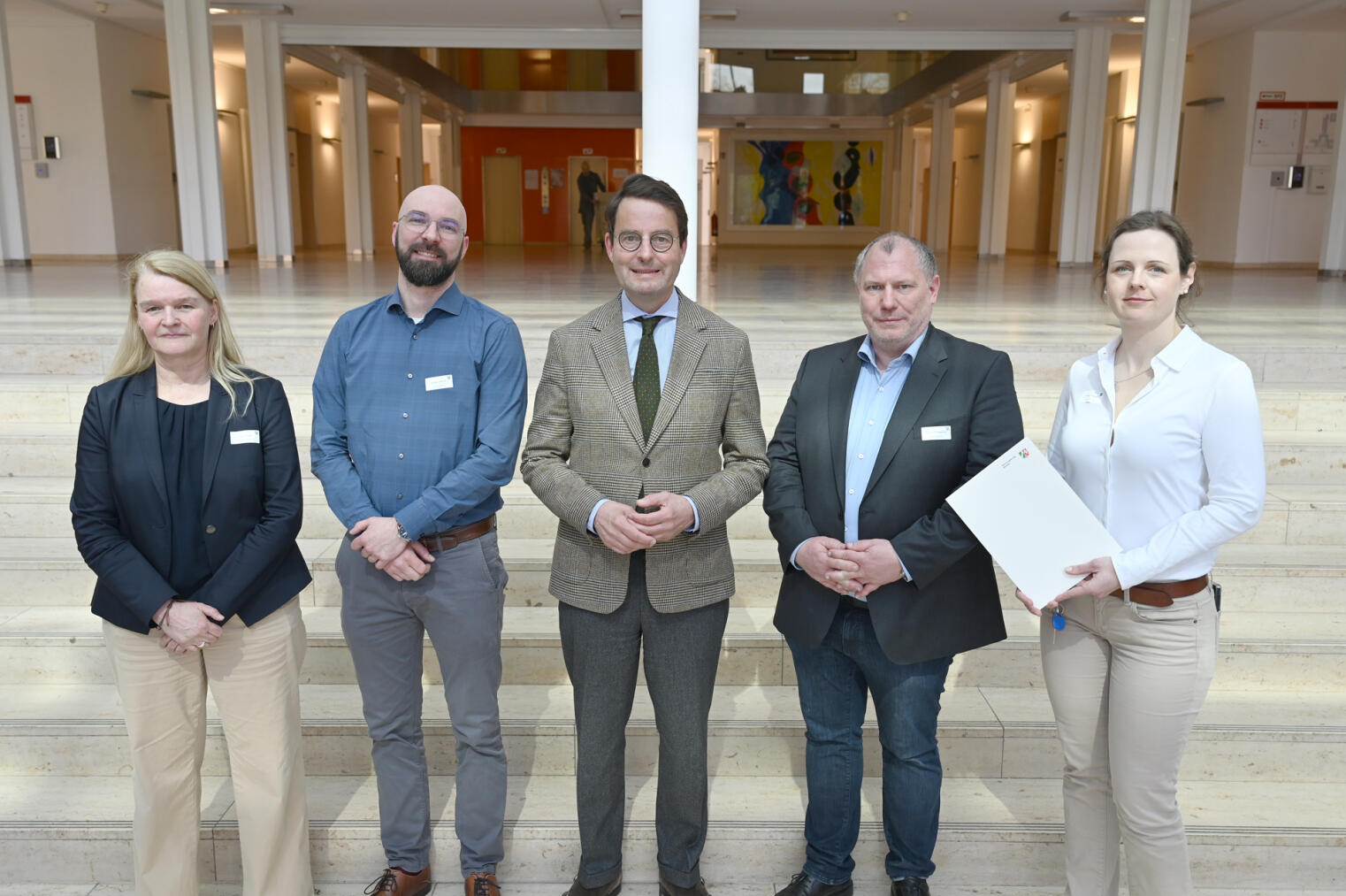
Funded by the European Union and the State of North Rhine-Westphalia under the “Forschungsinfrastrukturen.NRW” program with around €5 million, the project marks a major step forward in automated, scalable battery manufacturing. The grant was officially awarded to MEET by the Münster Regional Council on April 9, 2026.
Modular Design to Speed Innovation and Prevent Contamination
At the heart of REFlexBatt 2.0 is a revolutionary pilot line built with modular components capable of fast changeovers between different battery chemistries and cell designs. Dr. Markus Börner, Head of MEET’s Research Division Cell System, explains that this innovation enables rapid integration of new materials such as sodium and potassium-based systems, which require adaptable production processes.
“The market for battery technologies is diversifying rapidly. Our modular pilot line with short changeover times allows flexible integration of innovative technologies while preventing cross-contamination,” Dr. Börner said.
This level of flexibility will drastically reduce development cycles, speeding up the transition from lab-scale breakthroughs to practical, scalable applications. The pilot line is configured so key contact components can be swapped quickly, tailoring the process to evolving battery designs without the delays and contamination risks typical of traditional lines.
Closing the Gap Between Lab Innovation and Industrial Scale
REFlexBatt 2.0 is designed not only for versatility but also scalability. It enables early-stage assembly of multilayer cells with novel chemistries, accelerating the pathway to industrial-scale production. This capability is crucial for keeping pace with fast-moving advances in battery materials and designs.
Andreas Bothe, Regional President, emphasized the strategic importance of the new infrastructure: “Battery research in Münster spans from foundational science to applied tech transfer. This funding strengthens essential infrastructure and secures resource-efficient supply chains in North Rhine-Westphalia and across the European Union.”
Why This Matters for the U.S. and Ohio
While based in Germany, MEET’s modular production breakthroughs are vital for global energy storage progress—critical to the U.S. and Ohio as clean energy and electric vehicle markets expand rapidly. The ability to rapidly test and scale diverse battery chemistries could shorten development timelines for safer, higher-performance batteries essential to American industries.
For Ohio’s growing electric vehicle and renewable energy sectors, innovations like REFlexBatt 2.0 could help meet soaring demand while improving sustainability. Ohio companies focused on battery tech, manufacturing, or supply chain sectors should watch these developments closely for competitive insights and potential collaboration opportunities.
Next Steps and What to Watch
Over the next three years, MEET and industrial partner Safion GmbH will focus on refining the modular pilot line and validating it with diverse materials and cell designs. Industry watchers can expect accelerated battery innovation timelines and more rapid commercialization of disruptive energy storage technologies.
This development also signals stronger European commitment to sustainable battery ecosystems, which will influence global suppliers and innovation networks including those linked to the U.S. market.
Battery technology is evolving fast, and MEET’s modular pilot line is set to reshape how breakthrough chemistries move from concept to real-world use—an urgent boost for the global energy future.