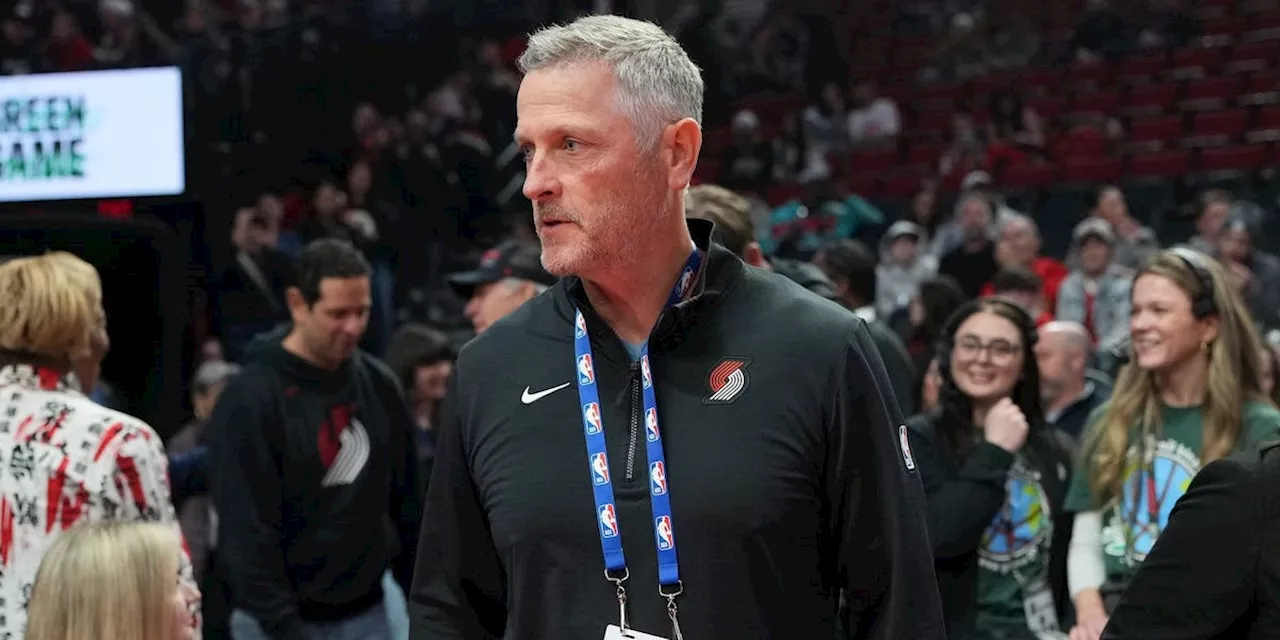
Tom Dundon, billionaire owner of the Portland Trail Blazers, is shaking up the NBA world with aggressive cost-cutting measures that are sparking fresh debate about team spending and management style.
Dundon, who led an investor group that purchased the Trail Blazers for $4.25 billion recently, is applying a hardcore “business grindset” to the franchise, cutting back on long-standing amenities and perks for players, staff, and fans alike. The changes have ignited significant backlash on social media and raised questions about the future culture of NBA team ownership.
Frugal Moves Draw Fire from Players, Staff, and Fans
One of Dundon’s most controversial decisions is not flying two-way players—who split time between the NBA and G League—with the main team, even though they play a crucial role. Additionally, strict rules now ban late hotel checkouts for anyone not a player or coach, worrying interim head coach Tiago Splitter about enough prep time for the team’s masseuse before a critical NBA Play-In tournament game.
Off the court, fans feel the pinch too. The Blazers declined to provide free T-shirts for fans ahead of a playoff home game, a standard gesture among many NBA teams. By contrast, their first-round opponent, the San Antonio Spurs, handed out color-coordinated shirts to their crowd, amplifying the impression of Blazers’ stinginess.
NBA Leadership and Peers Weigh In Amid Controversy
NBA Commissioner Adam Silver publicly addressed the backlash, defending Dundon’s investment and intentions. Silver noted Dundon’s record with the NHL’s Carolina Hurricanes, who have qualified for the playoffs every year since 2018 following his takeover.
“People are starting to say he’s not willing to spend the money,” Silver said on The Barstool Podcast “Pardon my Take.” “You gotta remember, this is a guy who just won a bidding war, call it $4.5 billion to buy a team, and they’re calling him cheap. It just can’t be.”
Silver emphasized that Dundon’s approach is less about pinching pennies on small items and more a disciplined business mindset.
Mark Cuban, owner of the Dallas Mavericks, acknowledged the pressure NBA owners face in today’s billion-dollar franchise market. Cuban, known for lavish perks for players and opponents alike, contrasted the new era with his earlier hands-on ownership days.
“In an era where teams cost billions and require investors, I could cover losses alone before, now the pressure is to break even and build success,” Cuban said. “Dundon knows basketball. He loves the game and will be great for the Blazers.”
Sharp Contrast with Past Trail Blazers Ownership
Dundon’s no-frills approach starkly departs from the flamboyant spending culture under former owner Paul Allen, the late Microsoft cofounder. Allen’s tenure included luxury perks like car washes during practice, a private jet, and even a yacht for players. His ownership helped shape the Blazers’ reputation for high-end player treatment.
Under Allen and his sister Jody’s management after his death, the franchise prioritized extravagance, fueling loyalty but also significant operating costs. Dundon’s business mindset challenges these long-standing NBA norms, drawing sharp lines between extravagant culture and cost-efficiency.
What Comes Next for the Trail Blazers?
The team recently secured its first NBA playoff spot in five years under interim coach Tiago Splitter, even as Dundon interviews other candidates for the head coach role. With a playoff run underway, how Dundon balances business rigor with on-court success will be intensely watched by fans, players, and league insiders across the nation.
The Blazers’ experience highlights a seismic shift in professional sports ownership where billion-dollar valuations force a new scrutiny on spending, perks, and efficiency. For Ohio sports fans, this trend signals the future of pro franchises nationwide.
Stay tuned as this developing story unfolds in the coming days, with more moves expected as Dundon cements his vision for Portland’s next chapter.