Army Veteran Completes PhD in Vascular Biology After 13 Years of Service
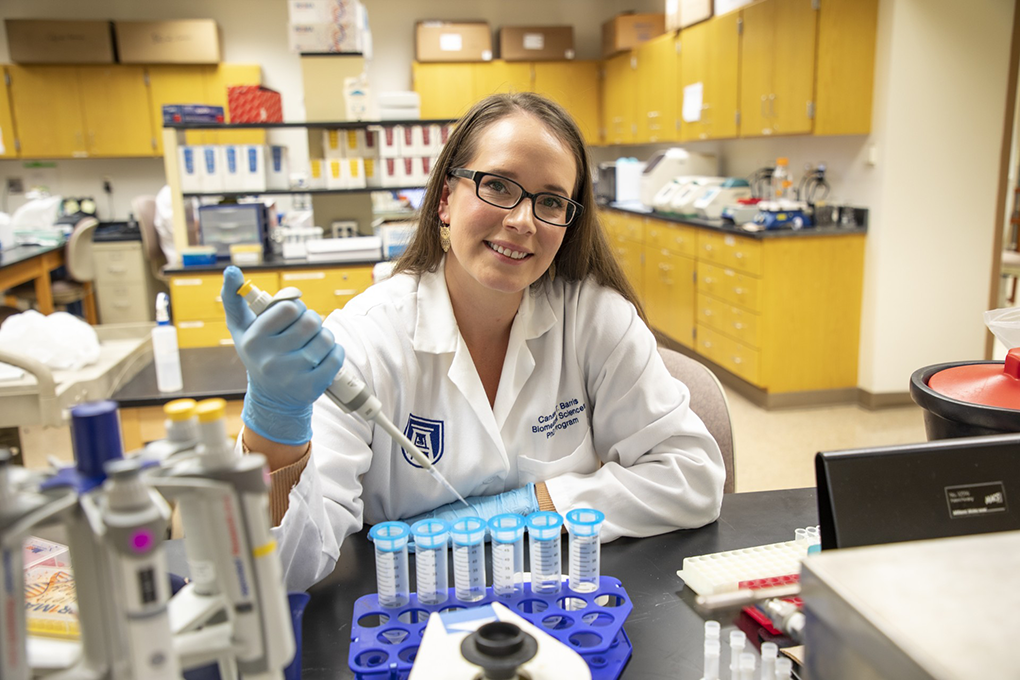
Candee Barris, a former U.S. Army soldier with 13 years of military service, has just earned her PhD in vascular biology from Augusta University’s Graduate School, marking a dramatic career shift from soldier to scientist. Her research focused on sex differences in obesity-related hypertension — a critical area in vascular health.
Barris’ journey began when she enlisted in the Army at 17, coming from a family with a strong military tradition. While still on active duty, she pursued her education with determination, earning a bachelor’s degree in biology from Augusta University in spring 2019 by taking classes during lunch hours and evenings. Her goal was clear: to transition from the military into science and medicine.
“I love science. I love medicine. I love the human body — I find it absolutely fascinating,” Barris told The Ohio Observer. She credits the military with teaching her invaluable skills such as organization and backwards planning, which she applied rigorously in her scientific research.
Military Skills Advance Scientific Success
Her mentor, Eric Belin de Chantemele, PhD, associate director of the Vascular Biology Center at Augusta University, praised Barris’ maturity and unique perspective given her military background. “Candee distinguished herself as an exceptional researcher, bringing intellectual rigor and a rare depth of maturity shaped by her time in the Army,” he said.
Barris completed six rigorous years in the PhD program, balancing life as a full-time student, mother, and wife. Her husband, Jason Barris, provided crucial support by managing household duties, including cooking dinners during the week, allowing her to focus on coursework and research.
Community Leader and Advocate for Graduate Students
Beyond her research, Barris has been an active member of the graduate school community. She served as a student ambassador and a member of the Graduate Student Government Association, advocating for graduate student welfare.
To ease financial burdens, especially for international students facing assistantship funding delays, Barris hosted regular cookouts at her home, fostering community and inclusion. “If you come to my house, I will feed you and you will feel like family,” she said. Her events became beloved tradition among the cohort, from Friendsgivings to graduation celebrations.
Jennifer Sullivan, PhD, dean of The Graduate School at Augusta University, commended Barris for both her scientific contributions and community leadership. “Candee has earned national recognition for her work and has been deeply committed to building an inclusive environment where everyone feels supported,” Sullivan said.
What’s Next: Postdoctoral Research and New Horizons
After successfully defending her dissertation this spring, Barris has transitioned to a postdoctoral researcher role in Dr. Sullivan’s lab, focusing on molecular mechanisms related to blood pressure and kidney health. She remains open to future career paths, considering positions in academia or government sectors as a former military service member.
“The world is my oyster,” Barris said about her future. Whether continuing as an independent investigator or serving in a public-sector scientific role, her dedication to science and medicine remains unwavering.
Barris will officially graduate at The Graduate Hooding and Commencement Ceremony starting at 5 p.m. on May 7 at the Augusta Marriott at the Convention Center.
Why This Matters Now
Barris’ story highlights the powerful transition veterans can make to careers in research and medicine, bringing discipline and leadership skills shaped by military service. Her success underlines the growing importance of supporting veterans’ education and the value they add to critical medical research fields nationwide.
For Ohio and US readers, Barris’ journey serves as a compelling example of reinvention and resilience — vital traits as the nation seeks new solutions in health science and veteran career development.