As kitchen design evolves, interior designers are urging homeowners to reconsider certain layouts that have become outdated. Many popular configurations, while functional in the past, now hinder the modern kitchen’s flow and social potential. Notably, designers predict that by 2026, three specific layouts will feel increasingly out of place as preferences shift towards more inviting and functional spaces.
Three Kitchen Layouts to Rethink
When planning a kitchen renovation, the layout plays a crucial role in both style and function. Designers emphasize that avoiding these three dated arrangements can help ensure a more timeless and enjoyable space.
The first layout to avoid is the double island configuration. While two islands may provide additional storage, many designers view this setup as excessive and disconnected. Interior designer Becky Shea notes, “While I haven’t designed one myself, I’ve seen quite a few double island kitchens, and I feel we’ll be moving away from that layout in 2026.” She describes the layout as making spaces feel odd and harder to navigate. Similarly, designer Kristina Khersonsky argues that this approach often prioritizes scale over purpose, making kitchens resemble showrooms rather than welcoming gathering places. Instead, designers suggest opting for butcher-block-style tables on wheels or islands that are softer and less dominant, facilitating better flow.
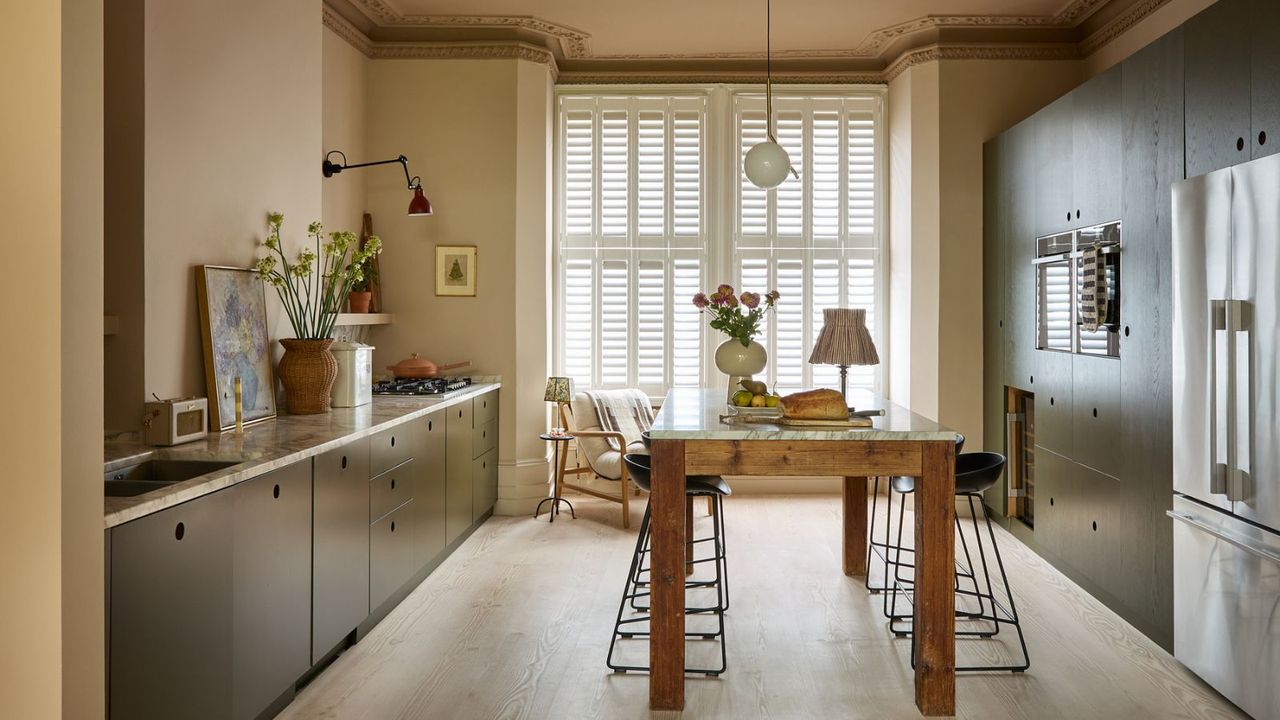
Another layout trend falling out of favor is the unsociable kitchen configuration. Modern kitchens are increasingly seen as multifunctional spaces that blend cooking, dining, and socializing. Designer Kathy Kuo emphasizes that the best kitchens prioritize gathering, stating, “People are gravitating away from kitchens that lack dedicated zones to congregate and socialize.” Incorporating cozy seating areas or breakfast nooks—even in smaller kitchens—can significantly enhance usability. Simple changes, such as adding a round dining table or comfortable seating, can transform a kitchen into a more inviting space for family and friends.
The third layout to reconsider is the overly open-plan kitchen. While open designs have dominated for years, designers are now advocating for a more defined approach. Ethan Charles explains that people desire connection but also appreciate the ability to separate spaces. “A little separation goes a long way in making the home feel more intentional and more functional,” he notes. This doesn’t mean returning to closed-off kitchens; rather, it involves creating distinct areas through furniture arrangement and decorative elements like rugs. By defining spaces, homeowners can cultivate a more inviting atmosphere.
Creating Intentional Spaces
As design trends shift, the emphasis is on creating kitchens that foster connection and comfort. Dated layouts often feel cold and disjointed, hindering the inviting atmosphere many desire in their homes. By avoiding these outdated configurations, homeowners can create kitchens that meet both functional needs and social aspirations.
In conclusion, as we approach 2026, it’s essential to rethink kitchen layouts that no longer serve contemporary lifestyles. Embracing designs that prioritize flow, functionality, and social interaction will not only enhance the aesthetic appeal of kitchens but also enrich the home experience. By making thoughtful choices in layout and design, homeowners can ensure their kitchens remain vibrant and welcoming spaces for years to come.