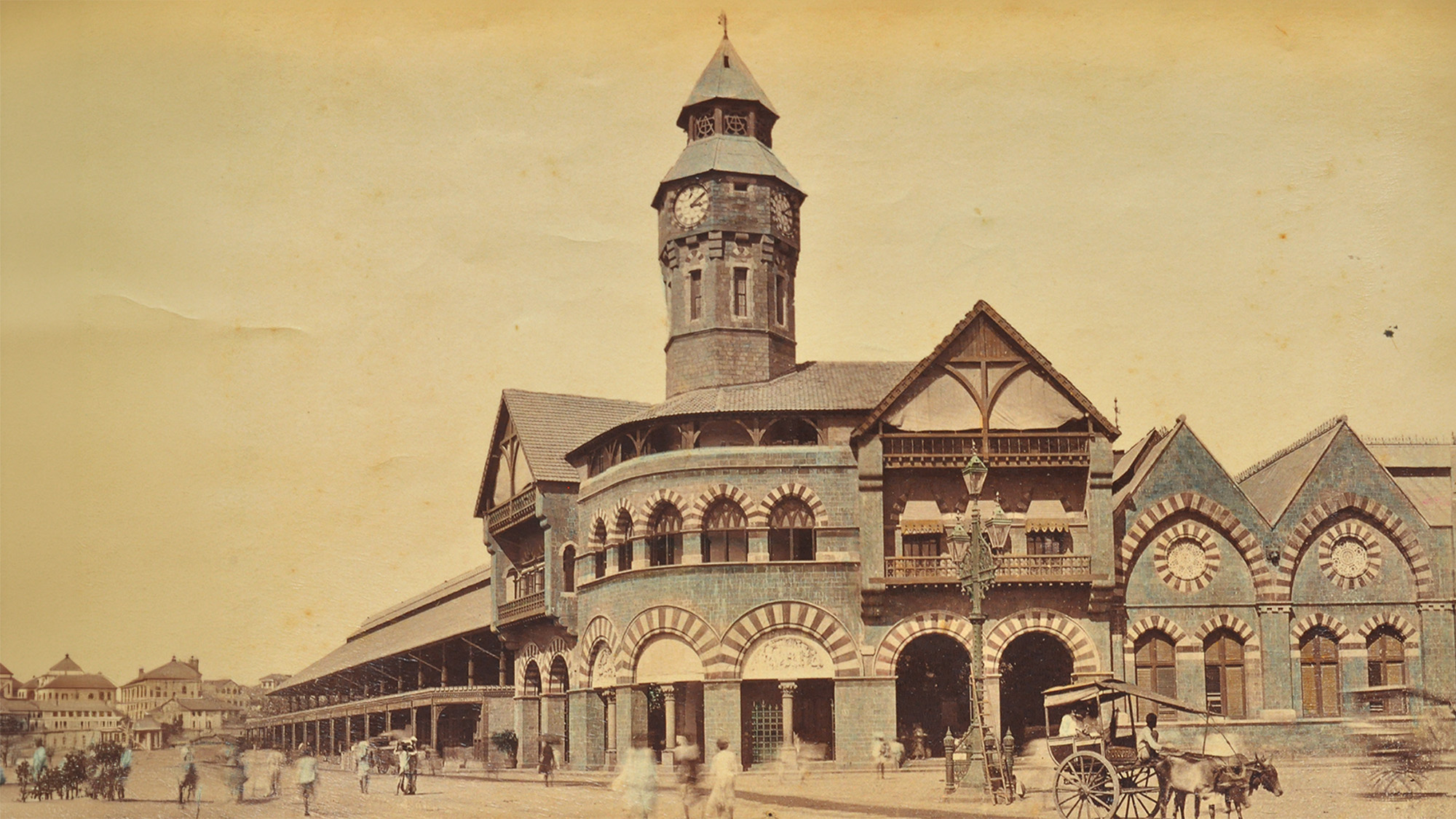
On a March evening in 1898, unrest erupted in Mumbai’s Crawford Market as residents targeted the public clock tower. Their anger stemmed from the imposition of Western time standards by the British government, which many viewed as another form of colonial oppression. In a dramatic act of defiance, gunfire shattered the clock’s face, symbolizing resistance against the control exerted through mechanized timekeeping.
The evolution of clocks has profoundly influenced human society, intertwining with the growth of industry and the psychology of time. Historians highlight the dual nature of clocks; as tools that regulate daily life, they also represent instruments of oppression. According to David Rooney, a historian of technology, “The clock is both the oppressor and the symbol of the oppressor.” This complex relationship between timekeeping and human behavior dates back to the first mechanical clocks, which emerged in 13th century Italy.
The Birth of Mechanical Clocks
Mechanical timepieces revolutionized the concept of timekeeping, evolving from ancient methods like sundials and hourglasses. Early devices, such as water clocks, were used in civilizations like Babylon and Egypt. By 1410, the world’s oldest functioning astronomical clock was installed in Prague, marking a significant advancement in timekeeping technology.
The introduction of the verge escapement mechanism was pivotal for mechanical clocks. This weight-driven gear system enabled precise time measurement and established the “tick” that defines modern timepieces. Unlike contemporary clocks, which often rely on batteries, early clocks operated through gravity, laying the foundation for how societies would measure time.
As mechanical clocks spread throughout urban centers in Europe, they transformed public life. Clocks became integral to bell towers, which announced daily activities like waking, eating, and working. By 1450, approximately 20 percent of cities with populations over 5,000 featured at least one public clock, contributing to the rise of a new societal structure centered around time.
Psychological Impact of Standardized Time
The advent of standardized time fundamentally altered individuals’ perceptions of time. Before mechanical clocks, time was often measured by natural cycles and tasks rather than fixed increments. With the introduction of hourly pay and a structured workday, concepts like time thrift emerged, encapsulated in the phrase “time is money.” This shift created a sense of urgency and scarcity surrounding time, impacting work habits and social dynamics.
As the industrial revolution progressed, clocks became symbols of control, particularly in the textile industry. Managers often prohibited workers from wearing personal timepieces, manipulating factory clocks to maximize output without corresponding pay increases. Karl Marx highlighted this exploitation in his critique of capitalism, quoting a factory inspector who noted that “moments are the elements of profit.”
The protest against the clock in Mumbai was not isolated. In 1905, the introduction of Standard Time at a local textile mill incited major strikes, reflecting widespread discontent with centralized time regulation. This resistance echoed globally, as movements like the suffragettes in Scotland also targeted symbols of authority, including the Royal Observatory. Their actions were part of a broader fight against the imposition of standardized time and the control it represented.
Today, the legacy of these historical struggles can be seen in modern movements advocating for work-life balance, including the Great Resignation and efforts to abolish Daylight Saving Time. These contemporary challenges to time regulation highlight a persistent resistance against the constraints imposed by clock time.
As society continues to grapple with the implications of timekeeping, the history of clocks serves as a reminder of their dual role—both as instruments of order and as catalysts for rebellion. Understanding this complex relationship not only sheds light on the past but also informs current discussions about how we perceive and manage time in our lives.
In exploring these themes, Popular Science uncovers the hidden narratives intertwined with our everyday experiences of time, revealing how deeply ingrained these structures are in our collective consciousness.