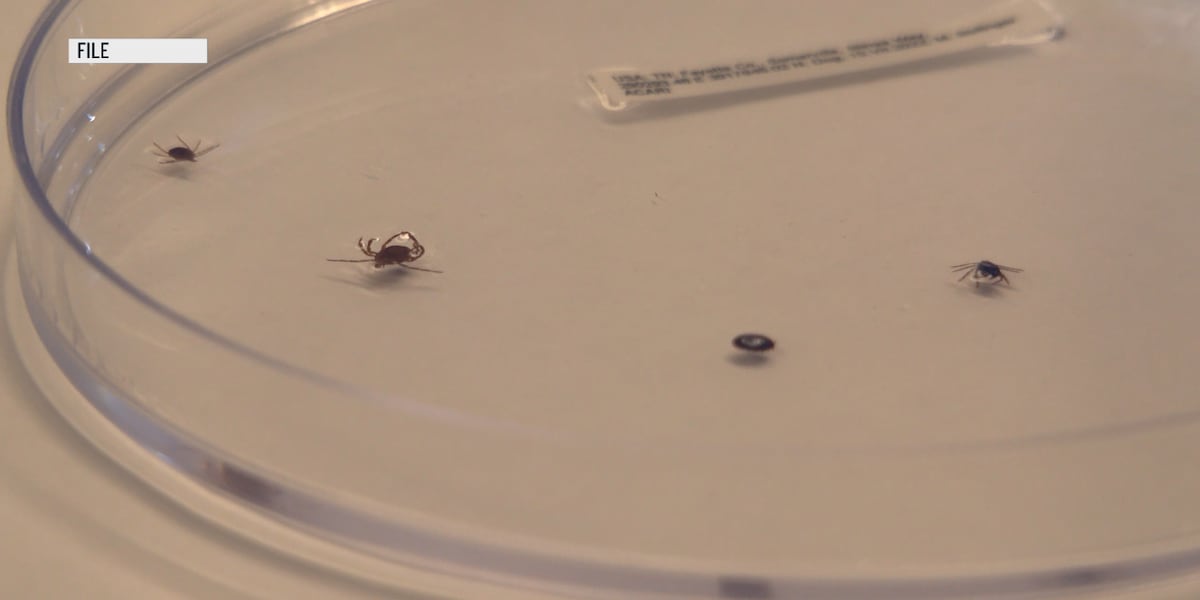
Arkansas is facing a sharp uptick in cases of Alpha-Gal Syndrome amid the active tick season, prompting urgent warnings from health experts as residents head outdoors this spring. Data from the Arkansas Department of Health reveal confirmed or probable cases surged from 70 to 344 in just a few years, signaling a rapidly growing health threat across the region.
Dr. Shane Speights, Dean at the New York Institute of Technology at Arkansas State, stresses the urgency: “The Lone Star Tick carries a molecule that can trigger a severe allergic reaction to red meat in humans.” This unusual allergy, known as Alpha-Gal Syndrome, can provoke violent illness from eating steak or hamburger, sometimes lasting for years in affected individuals.
Tick Season Brings Severe Risks Beyond Lyme Disease
Ticks—including dog ticks, deer ticks, Gulf Coast ticks, and Lone Star ticks—are prevalent across Arkansas, with hotspots near forests, rivers, and other large bodies of water. Speights notes high-risk areas such as northeast Arkansas along the Spring River but warns that ticks can be found nearly everywhere in the state.
Beyond Alpha-Gal Syndrome, ticks in Arkansas commonly transmit Rocky Mountain spotted fever and Lyme Disease, illnesses well known for serious health complications. This season’s surge in Alpha-Gal has public health officials on heightened alert.
Symptoms and Immediate Medical Actions
Common symptoms after a tick bite include fever, chills, body aches, and rash. Dr. Speights advises swift medical consultation if a tick remains attached for more than 36 hours, recommending prompt antibiotic treatment to reduce the risk of infection.
“If the tick has been attached for more than 36 hours, we recommend you start antibiotics promptly,” Speights stated, emphasizing that these medications require a physician’s prescription.
Prevention Tips for Outdoor Enthusiasts
Despite the risks, Dr. Speights encourages people to continue enjoying outdoor activities with proper precautions. Wearing light-colored clothing, pants tucked into high socks, and boots can minimize tick contact.
Should a tick attach, removing it quickly and correctly is crucial. Experts advise using tweezers to gently pull the tick upwards without crushing it or leaving parts embedded in the skin, which could cause infection.
“You should remove the tick by carefully lifting up on the back of it with some tweezers and just gently pulling until the teeth let go,” Speights explained.
Why Ohio and National Audiences Should Take Notice
While this urgent update focuses on Arkansas, health experts warn that Lone Star ticks—and their health threats—are expanding their range nationally, including into Ohio and other Midwest states. Awareness and early prevention remain vital as tick populations grow with warming climates and increased outdoor activity.
Medical professionals across the U.S. are monitoring the rise of Alpha-Gal Syndrome closely, as it represents a new kind of allergy triggering delayed, yet severe reactions to common foods like red meat.
For anyone in Ohio or beyond planning outdoor excursions this spring and summer, these findings highlight the importance of taking tick bites seriously and seeking medical attention promptly if bitten.
What to Watch For
Stay alert for updates from local health authorities, especially as tick season continues to evolve. If experiencing unexplained allergic reactions after consuming red meat or symptoms related to tick bites, consult a healthcare provider immediately.
The rapidly rising cases in Arkansas serve as a vital warning for the broader U.S., urging swift action to protect public health from this stealthy but dangerous tick-borne illness.