Elon Musk Takes the Stand in Landmark Trial Against OpenAI CEO Sam Altman
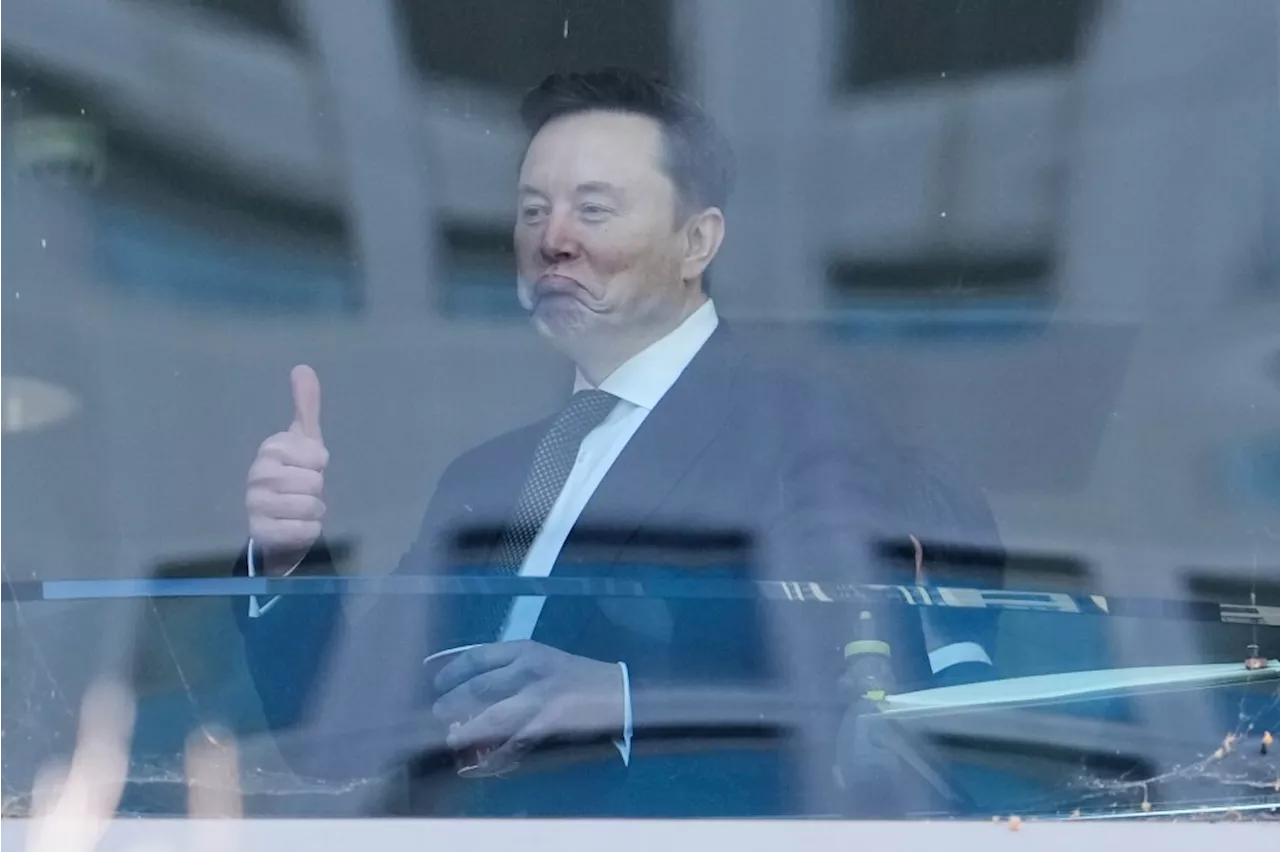
Elon Musk, the world’s richest man and OpenAI co-founder, took the witness stand for a second day today in a landmark trial that could redefine the future of artificial intelligence.
The dispute pits Musk directly against Sam Altman, OpenAI’s CEO and fellow co-founder, with Musk accusing Altman of breaking core promises to keep OpenAI solely a nonprofit organization founded to benefit humanity.
The trial, unfolding in a high-profile courtroom, centers on claims that Altman betrayed the original vision behind OpenAI by steering the company toward profit-driven ventures, raising urgent questions about AI’s ethical direction and corporate control.
Musk Alleges Broken Promises That Threaten OpenAI’s Mission
On the stand, Musk recounted the early days of OpenAI, emphasizing the founders’ commitment to non-commercial goals designed to safeguard humanity against unchecked artificial intelligence risks. He accused Altman of “betraying” these core principles by shifting toward a profit-oriented model that compromises public safety and transparency.
Legal experts say this case could set a precedent for how AI companies balance innovation, profit, and ethical responsibility, a subject closely watched by regulators and investors nationwide—including those in Ohio’s growing tech sector.
Trial Highlights Broader Concerns Over AI Governance and Safety
This confrontation also reignites national debates on AI development policies, aligning with new legislative efforts across the U.S. to regulate big tech’s role in artificial intelligence advancement. Ohio-based tech companies and university AI research programs are among those monitoring the trial closely for its potential impact on industry standards and investment climates.
Additional testimony is expected to delve into internal OpenAI communications, financial structures, and decision-making processes that led to the creation of for-profit OpenAI entities.
What Happens Next?
The trial continues with more witnesses scheduled, including experts on AI safety and nonprofit governance. Outcomes could affect not only OpenAI’s future but also wider business models in tech innovation.
As debate over AI safety and corporate responsibility intensifies, Musk’s testimony marks a pivotal moment in defining how next-generation technologies should serve society, echoing well beyond Silicon Valley to technology hubs across America.
“We formed OpenAI to prevent AI from becoming a weapon of mass destruction or runaway corporate greed,” Musk stated in court testimony.
The stakes remain high as the court weighs the fate of OpenAI’s original mission against the pressures of commercial gain, a dynamic that resonates deeply in Ohio’s emerging AI startup ecosystem and with everyday Americans watching the future of technology unfold.