FOP President’s Racist “Poverty Pimp” Remark Fuels Racial Tensions After Goodson Homicide Verdict
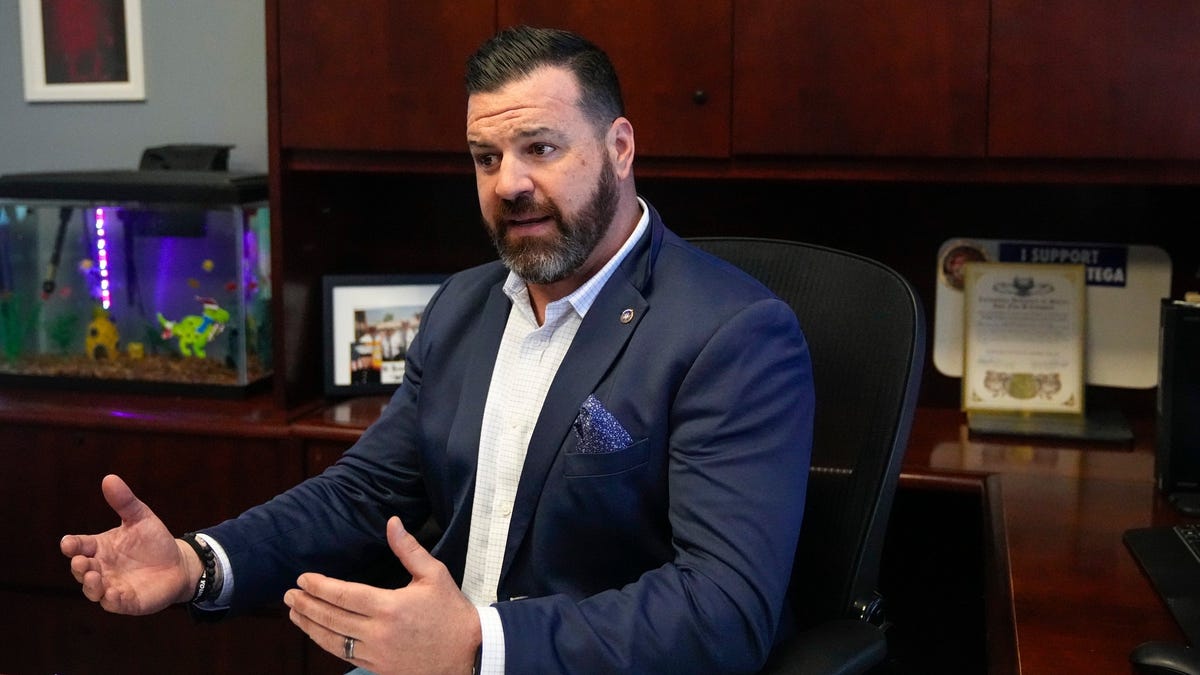
The aftermath of the Jason Meade trial has escalated into controversy as the president of the Fraternal Order of Police Capital City Lodge 9, Brian Steel, made racially charged remarks about Sean Walton, attorney for the Goodson family and president of the local NAACP. Steel referred to Walton as a “$3,000 suit” wearing “poverty pimp,” sparking outrage and deepening divisions in Columbus and beyond.
Meade, a former Franklin County Sheriff’s deputy, was found guilty of reckless homicide in the fatal shooting of the 23-year-old Casey Goodson Jr., a case that has drawn intense scrutiny over police accountability. Despite the verdict, the FOP leader’s remarks signal a disturbing setback in community-police relations during a period when unity and healing are urgently needed.
Controversial Comments Undermine Police Reform Progress
Judson L. Jeffries, a professor of African American and African studies at Ohio State University and a regular Columbus Dispatch contributor, sharply criticized Steel’s language. He called it “racist and divisive,” likening it to a troubling era that some believed was fading but is now resurfacing.
“The FOP leader’s incendiary words were reminiscent of an era that slowly but surely seems to be making a comeback, but one I have no interest in revisiting or tolerating,” Jeffries said.
Jeffries emphasized that while Meade’s conviction is a rare victory for justice, it does not reflect a broader trend of systemic police accountability. Historically, officers involved in deadly force cases have often avoided charges or convictions, making this case “an anomaly rather than the rule.” He warned that despite some progress, significant reform remains elusive nationwide.
The Human Cost: Families on Both Sides Grieve
The FOP president’s comments also touch on the grief of families directly impacted by this tragedy. Steel acknowledged the heartbreak of both the Goodson and Meade families but framed the loss as a zero-sum game where lawyer Sean Walton was the “winner.” Experts and community advocates argue this narrative overlooks the profound trauma inflicted by Meade’s reckless actions, especially given autopsy findings revealing five shots fired into Goodson’s back.
Many in Columbus remain wary that Steel’s rhetoric aims to defend law enforcement by attacking legal advocates and activists pushing for reform, potentially eroding trust just as police departments face increasing calls for transparency and accountability.
What’s Next for Community and Police Relations?
As this story unfolds in Ohio’s capital and ripples nationally, tension remains high around issues of race, justice, and law enforcement. The backlash against Steel’s remarks is expected to intensify demands for clearer accountability and cultural change within police organizations.
Community leaders, civil rights groups, and politicians will be watching closely for the Fraternal Order of Police’s next moves and any efforts to either repair or further damage the fragile relationship between police and the citizens they serve.
For many, the focus now is on rebuilding trust—something critics say will be impossible while inflammatory and racially charged rhetoric continues to dominate the conversation.