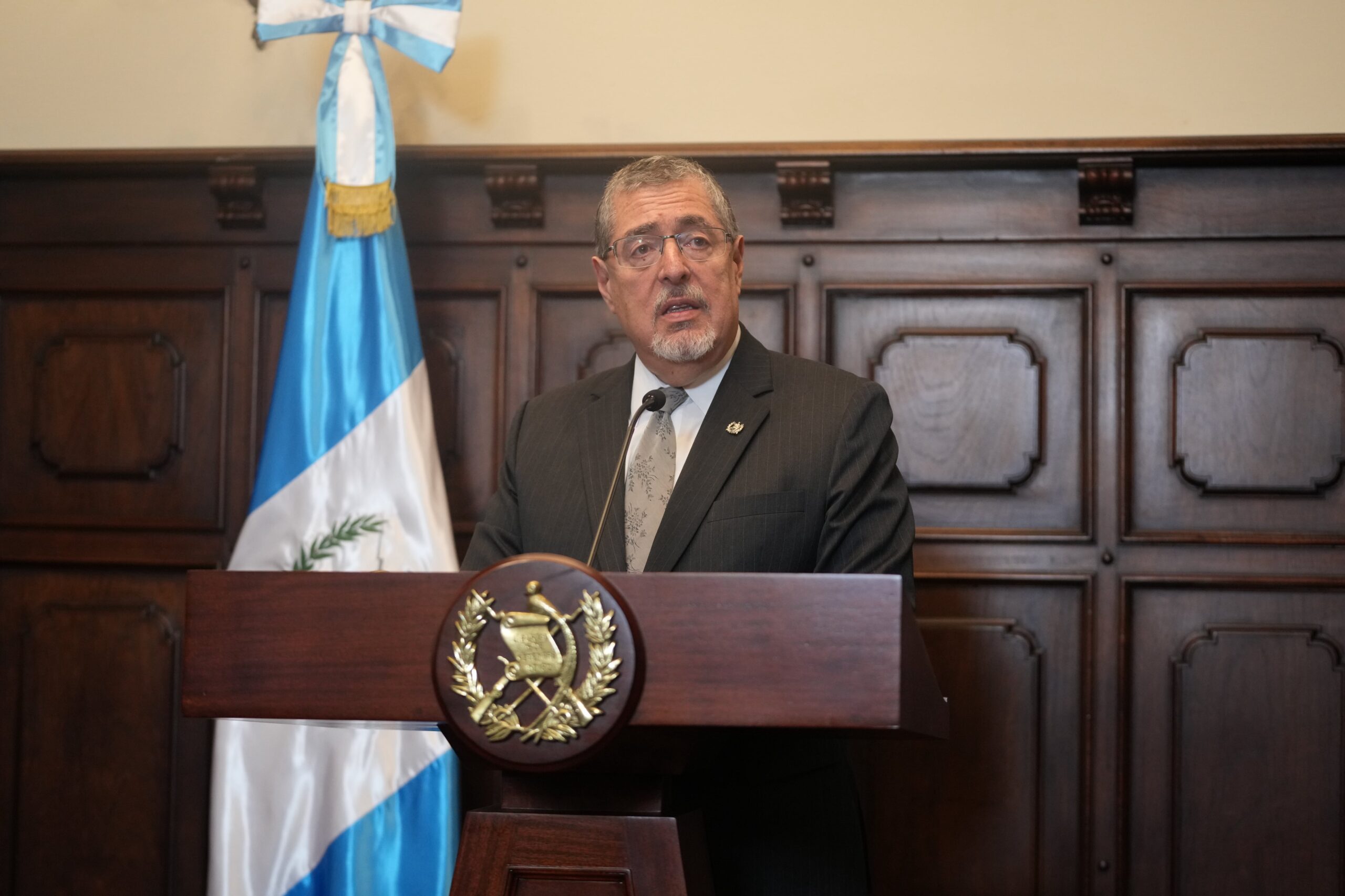
Guatemala City – President Bernardo Arévalo has decisively ended a fierce, years-long battle against corruption by appointing a new attorney general, replacing Consuelo Porras, whose controversial tenure drew international sanctions from more than 40 countries.
Announced this Tuesday, Arévalo selected lawyer Gabriel Estuardo García Luna to lead Guatemala’s prosecutor’s office, set to begin immediately after Porras’ current term ends on May 17. This move marks a significant turning point in Guatemala’s prolonged fight to reclaim an independent justice system plagued by political influence and corruption.
Arévalo, a progressive known for his anti-corruption stance, openly clashed with Porras throughout his presidency. He accused the former attorney general of protecting corrupt elites and using her office to persecute political rivals, including members of Arévalo’s Seed Movement party. Under Porras, the prosecutor’s office repeatedly attempted to block Arévalo’s inauguration and raided his political party’s offices, actions condemned by the international community as politically motivated abuses of power.
In a nationally broadcast address, Arévalo emphasized his commitment to rebuilding justice credibility. “The Public Ministry is getting a new authority who does not come to serve a president, the government of the day, or any particular or spurious political interests,” he said. This underscores a fresh start for an institution long criticized for lack of independence and integrity.
García Luna, 49, brings 22 years of legal experience along with advanced doctoral-level studies to lead an office historically marred by scandal. His appointment followed a rigorous vetting process where a nominating commission—including the Supreme Court president, law school deans nationwide, and the national bar association—reviewed 48 applicants before narrowing the list to six candidates.
The transition from Porras to García Luna signals a crucial reassessment of Guatemala’s justice leadership. Porras faced sweeping sanctions globally for allegedly obstructing corruption investigations and targeting judges, journalists, and opposition figures as political enemies. Her tenure deeply polarized the country and eroded trust in law enforcement.
Since Arévalo took office, Porras intensified investigations into his Seed Movement party, accusing it of irregularities in collecting signatures to gain official party status. The prosecutor’s office conducted raids, opened ballot boxes, and repeatedly sought to lift Arévalo’s political immunity — efforts critics label as attempts to undermine his government.
Arévalo insists his new survivor in the attorney general’s office will pursue justice free from political interference, pledging to root out the entrenched corruption that for years has debilitated Guatemala’s institutions. Observers see García Luna’s appointment as a potential turning point not only for Guatemala but as an important example of renewed commitment to rule of law in a region plagued by impunity.
As García Luna prepares to take office next week, national and international eyes monitor the transition closely, expecting swift reforms to restore faith in Guatemala’s Prosecutor’s Office and halt past abuses used to silence dissent.
What happens next: García Luna’s actions will define whether the prosecutor’s office can regain independence and effectiveness or if Guatemala’s justice system remains entangled in politics and corruption.