Invisible Conditions Impact Millions Amid Growing Mental Health Awareness
The burden of invisible health conditions has never been more urgent or personal for millions across Ohio and the United States. While broken bones or cancer carry visible signs, many live daily with debilitating ailments that remain unseen, fueling misunderstanding, isolation, and stigma.
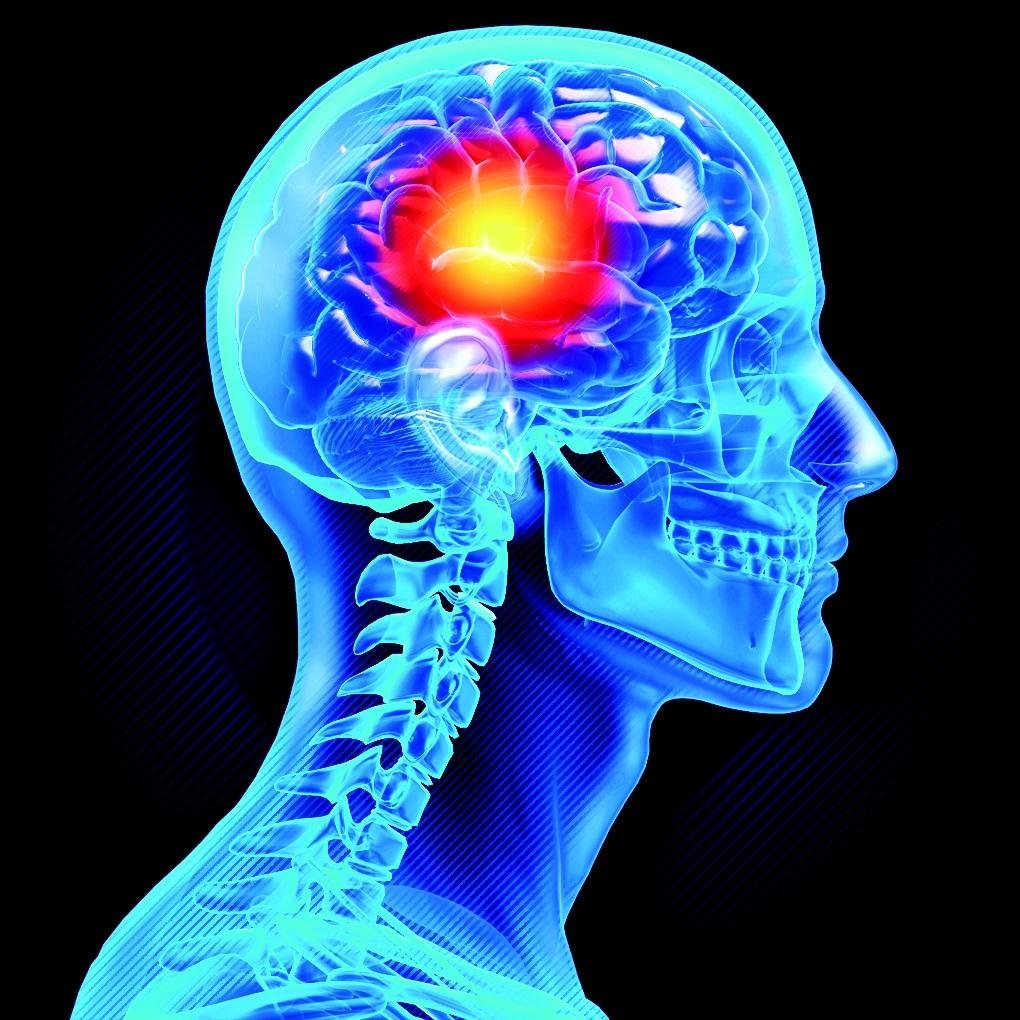
Mental health conditions remain the most misunderstood of these invisible struggles. Despite deep depression, anxiety, or suicidal ideation crippling an individual’s energy and focus, outward appearances often suggest “all is well.” This hidden reality leaves sufferers without much of the empathy and practical support easily extended to those with obvious physical injuries.
One Ohio resident chronicled the sharp contrasts between visible injuries and invisible illnesses. After breaking a fifth metatarsal (Jones Fracture) during a morning walk, they endured 14 weeks of non-weight bearing recovery supported visibly by a wheelchair and knee scooter. “You could see me a block away and know I was hurting,” they said. Conversely, their daughter’s lifelong battle with Ehlers Danlos Syndrome, a genetic connective tissue disorder, triggers painful joint dislocations and chronic muscle strain with no outward sign to onlookers.
The Stigma of the “No Casserole” Conditions
This invisible suffering often leads to bewildering social reactions. Unlike visible ailments, conditions like chronic fatigue, fibromyalgia, or mental health issues do not inspire casseroles, rides, or open offers of help—the so-called “no casserole” conditions. A friend with a handicapped parking permit recently faced verbal abuse simply because her impairment was not apparent.
“Most people would be very understanding if we let them in on our struggles”
Experts emphasize that this isolation compounds the health challenges themselves. When others cannot perceive a disability, they often expect normal function, leading to judgment and strained relationships.
Strategies for Coping and Seeking Support
Facing these conditions demands urgent self-advocacy and robust support systems. Specialists recommend open communication that clearly details symptoms. For example, explaining sleep difficulties specifically—difficulty falling asleep, frequent waking, restlessness—helps providers and loved ones grasp the severity.
It’s critical to set boundaries with social activities: “I cannot join you—I need to rest,” or suggesting partial participation with early departure are vital self-care techniques. Developing personalized coping tools, such as pacing energy during strenuous events or practicing mindfulness, also prove effective.
For many, the most crucial step is to seek validation and share their reality with friends, family, or support groups. “We were not wired by our Creator to do this life alone,” an advocate noted.
Education and Awareness as Keys to Change
Raising public understanding remains a frontline defense against the isolation faced by those with invisible illnesses. Organizations like the National Alliance for Mental Health stress the importance of clear communication to connect lived experiences with public perception: “They cannot know until they know.”
With mental health conditions and invisible disabilities rising nationwide, Ohio communities and healthcare providers are called to recognize these silent battles and respond with empathy, accommodations, and practical support.
What’s Next for Ohio and the Nation?
As awareness builds, coordinated efforts may emerge to improve services, expand education, and strengthen support networks for affected individuals. Meanwhile, people living with invisible conditions are urged to boldly voice their needs and prioritize self-care.
Mental health and invisible disabilities pose a profound and immediate challenge—one that demands urgent attention not only from healthcare systems but from every community across Ohio and the United States.
For those seeking guidance or wanting to share their stories, resources are available through local advocates and groups. Readers with questions can contact mental health advocate Shirley at [email protected] for support and advice.