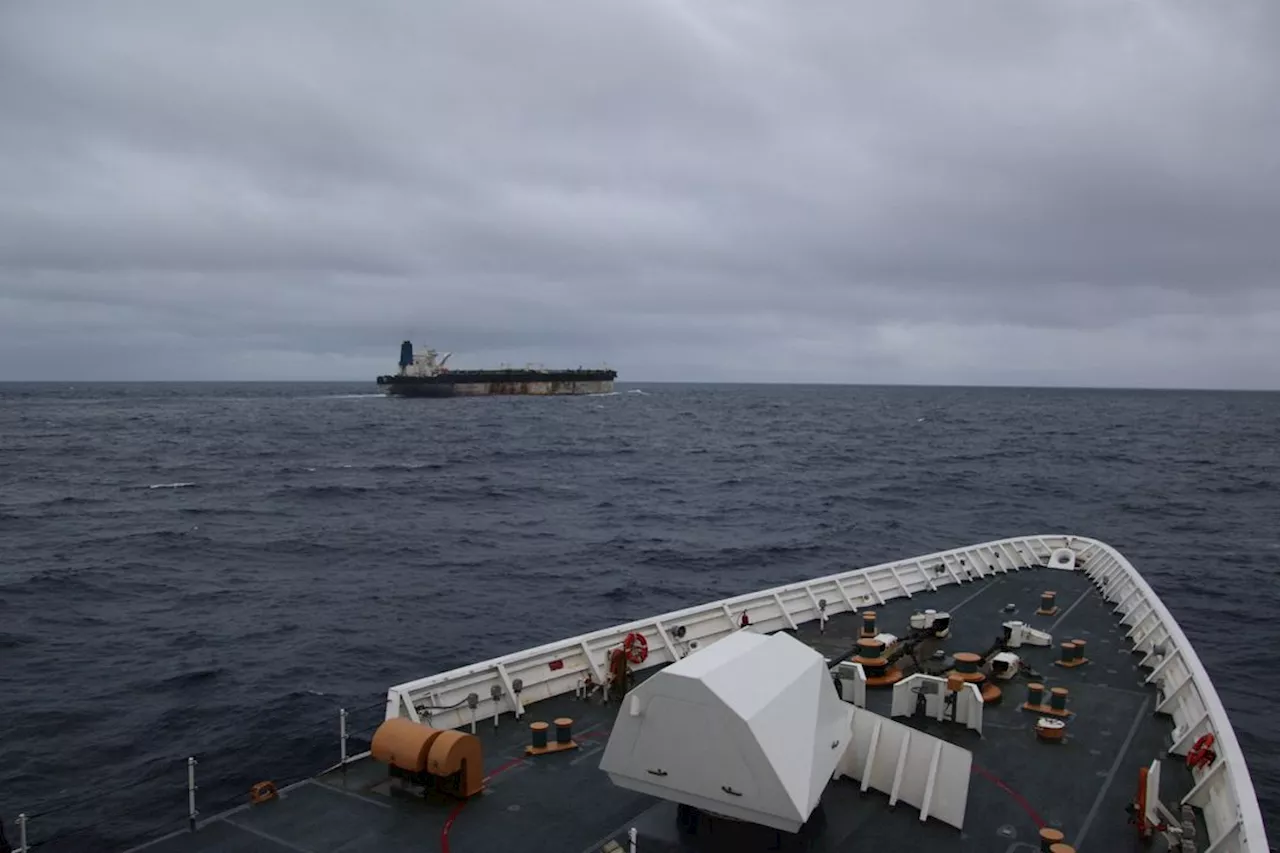
Iran seizes two foreign-flagged oil tankers amid rising US tensions
Iran’s Revolutionary Guard has taken control of two oil tankers flagged under Panama and Liberia, sharply escalating ongoing naval hostilities linked to the US and Israel’s wartime strategy against Tehran. This latest move intensifies the volatile standoff that threatens global oil transit and international maritime security.
The MSC Francesca, registered in Panama, and the Epaminondas, sailing under Liberia’s flag, were intercepted last week near the strategically critical Strait of Hormuz. Iran accused the vessels of serious maritime violations including tampering with navigation systems and posing risks to other ships, while also alleging the vessels had “ties to Israel.”
Iran’s control of the Strait of Hormuz since the conflict’s eruption on February 28, 2026, has disrupted oil and container traffic in one of the world’s busiest waterways. In direct retaliation, the US imposed a naval blockade against Iranian ports on April 13, 2026, further heightening tensions in the region.
Why foreign flags cloak real oil tanker owners amid military clashes
Both the US and Iran routinely seize ships based on their flagged registry, but these flags often hide the true vessel owners. Most international tankers operate under “flags of convenience” (FOCs) — registries in countries such as Panama, Liberia, and the Marshall Islands — that offer lower costs and limited oversight.
About 75-80 percent of global merchant vessels use these open registries, which allow shipowners to avoid stringent regulations, taxes, and costly labor protections found in nations like the US or those in the EU. For example, Panama holds the world’s largest ship registry, providing owners with lower registration fees and less interference with operations.
Originally designed to cut operational expenses, these FOCs now also create a layer of opacity that shields beneficial owners — the individuals or companies actually profiting — from being publicly identified. This complicates enforcement, especially in conflict zones or sanction regimes.
Flag-hopping and shadow fleets undermine sanctions enforcement
Shipowners often practice “flag-hopping,” frequently changing a vessel’s registration to avoid sanctions, inspections, or port state controls. A notorious example involved the Panama-flagged Bella 1, which rapidly re-registered under the Russian flag mid-pursuit before US forces seized it in January 2026 due to its links to Iranian and Venezuelan oil shipments.
US officials allege that countries like Iran, Russia, and Venezuela exploit these tactics through “shadow fleets” — tankers falsely flagged to evade detection while trading illicit oil. This ongoing cat-and-mouse dynamic severely hampers international legal efforts to enforce sanctions and maintain maritime order.
Global stakes rise as maritime conflict threatens energy security
The current maritime crisis centers on the vital Strait of Hormuz, through which roughly a third of global oil shipments pass. Disruptions here ripple through markets worldwide, affecting US consumers and businesses dependent on steady energy supplies.
Experts warn the use of flags of convenience in this conflict not only shields nefarious actors but also risks broader environmental disasters. The longstanding history of FOCs protecting owners from liability was highlighted in a 1967 oil spill off Cornwall, UK, which caused massive pollution and exposed regulatory loopholes.
As diplomatic tensions persist, the United States, with vested interests in stable oil routes and sanctions enforcement, continues aggressive naval actions. Meanwhile, Iran asserts control over strategic choke points, leveraging maritime seizures to project power and contest US-imposed restrictions.
What to watch: The trajectory of this maritime conflict may reshape global naval strategy, sanctions enforcement, and energy market stability. For Ohio and the US, rising oil prices from supply disruptions hit consumers directly, underscoring the real-world stakes of this geopolitical clash at sea.
The US government and allied maritime organizations are expected to closely monitor shipping activities and flag registrations, aiming to tighten loopholes enabling illicit oil transport and prevent further escalation on international waters.
In the coming days, developments regarding additional ship seizures or regulatory responses could emerge, keeping this fast-evolving story at the forefront of global security and energy news.