WASHINGTON, D.C. — A new Trump administration policy requiring states to adopt controversial conditions on diversity, immigration, and transgender issues is now blocking millions in wildfire prevention funding nationwide. This standoff is stalling urgent wildfire mitigation projects as Western states brace for an extreme fire season amid record-breaking heat and low snowpack.
On December 31, Agriculture Secretary Brooke Rollins quietly rolled out sweeping new terms and conditions for contracts and grants with the U.S. Forest Service, part of the USDA. These conditions force states to affirm compliance with President Donald Trump’s executive orders banning “radical left ideology,” including restrictions related to diversity, equity, inclusion (DEI), transgender athletes, and immigration benefits. Forestry officials say many Democratic-led states cannot sign the new contracts because the demands directly conflict with state laws.
“We’re kind of at an impasse,” said Washington State Forester George Geissler. “It’s already starting to slow down or shut down work.” Washington has stalled releasing more than 10 community wildfire defense grants critical to protecting neighborhoods from wildfire threat because it refuses to sign the contested terms. The delay jeopardizes millions in local wildfire defense efforts.
States Losing Millions in Vital Wildfire Projects
The new conditions impact a variety of federal partnerships aimed at wildfire risk reduction, forest restoration, and timber production on national forest lands. Washington State, which has spent millions on wildfire risk reduction and forest health projects, is one of several Democratic-led states locked out.
“This is another example of the federal administration cutting off its nose to spite its face,” said David Perk, a Washington forestry coalition leader. “Denying wildfire funding is insult to injury.” Experts warn that the standoff could cause widespread project delays just as wildfire threats intensify.
The Forest Service increasingly depends on state agencies through programs like the Good Neighbor Authority, which lets states conduct wildfire mitigation and timber projects on federal land. However, Washington cannot sign new Good Neighbor agreements due to these ideological restrictions.
Geissler warned, “If you are looking for work to be done by the state on federal lands, we’re not doing it. If we’re not able to sign, both sides lose.” Without new agreements, wildfire projects currently underway could stall within six to eight months, raising fears of increased fire risk.
Industry and Other States Also Impacted
Oregon faces similar disruptions, according to Nick Smith of the American Forest Resource Council, a timber industry group. “This will lead to reduced revenues for state forestry agencies,” he said. Timber sales and contracts critical to local economies are at risk if partnerships collapse under these new rules.
Meanwhile, officials from almost 20 states declined public comment, concerned about aggravating the ongoing lawsuit filed by a coalition of 20 states and the District of Columbia. The lawsuit, filed this March, challenges the legality of the new restrictions, primarily focused on food assistance but increasingly indicating broader impacts.
Scott Bowen, director of the Michigan Department of Natural Resources, testified that Michigan has more than $87 million in active Forest Service grants supporting wildfire response, forest health, invasive species control, and urban canopy projects—all threatened if funds are withheld.
Confusion and Bureaucratic Chaos Hamper Wildfire Efforts
The National Association of State Foresters has raised alarms about the lack of clear guidance and coordination. Jason Hartman, Kansas state forester and the association president, described the rollout as “chaotic,” with states receiving conflicting instructions.
He highlighted bureaucratic snarls, including a newly required federal approval before states can issue any subcontracts, leading to massive delays. Environmental reviews now must be completed before signing agreements, but states often perform those reviews themselves, creating a Catch-22.
“National-level meetings between State Foresters and the Forest Service have resulted in more questions than answers,” Hartman said. He urged delaying the policy’s effective implementation until clarity is provided, pointing to an already stalled timber sale worth 80 million board feet—the volume to build roughly 5,000 homes.
Political Divide Threatens Wildfire Safety
Experts warn the policy splits federal support along political lines. Kevin Hood of Forest Service Employees for Environmental Ethics said, “You’re going to see a bifurcation where red states get grants and blue states won’t,” raising concerns about politicizing wildfire safety and forest health.
Legal declarations from state officials emphasize the vague nature of the new terms, such as the undefined prohibition on “promoting gender ideology.” Many states also question the immigration benefit restrictions that would be nearly impossible to verify in wildfire and environmental aid programs.
Outlook and What’s Next
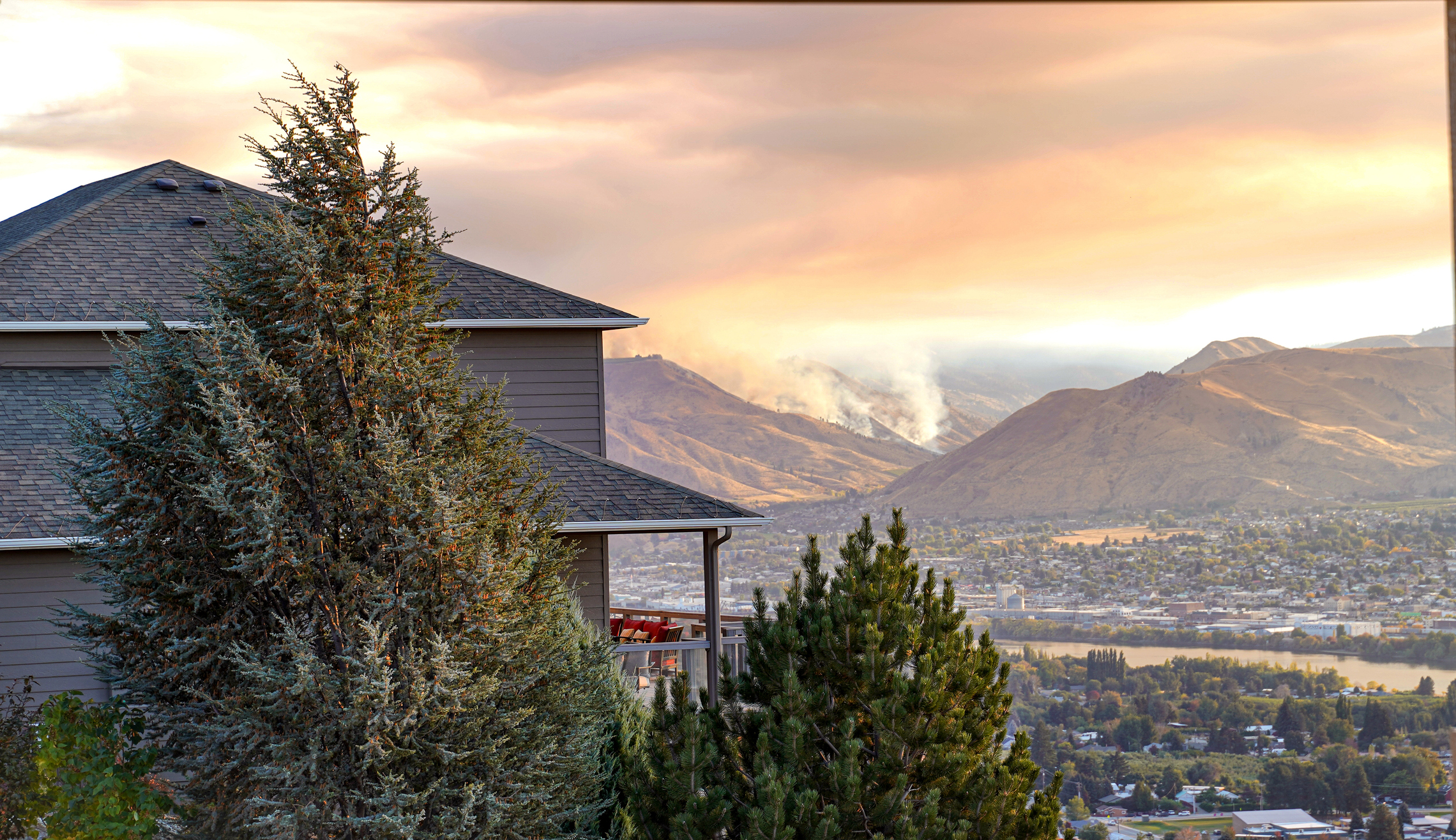
This impasse arrives as Western states face what experts warn could be one of the most dangerous wildfire seasons in recent memory, driven by drought, record heat, and shrinking snowpack. Without cooperative federal-state wildfire programs, communities risk less protection and increased fire devastation.
Washington and other states continue to uphold projects under old agreements, but without quick resolution or guidance, critical wildfire prevention and forest health projects may grind to a halt within months.
The USDA and Forest Service have not responded to requests for comment on enforcement plans or timeline updates.
The unfolding clash raises urgent questions about federal wildfire policy and political divisions endangering communities nationwide grappling with climate-fueled disaster risks.