Civil Society Coalition Calls for 90-Day Extension to Nigeria’s 2027 Election Timetable
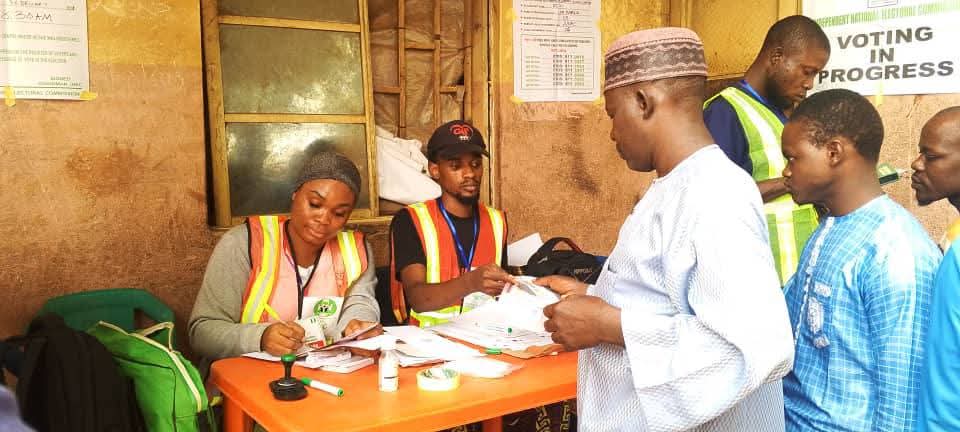
A coalition of Nigerian civil society organizations has formally urged the Independent National Electoral Commission (INEC) to extend key election deadlines by 90 days amid mounting insecurity and unresolved political disputes jeopardizing the democratic process ahead of the 2027 general elections.
The Movement for Credible Elections (MCE), working with the Good Governance Group (GGG), submitted a letter to INEC headquarters in Abuja dated May 4, 2026, demanding more time to address troubled party disputes affecting opposition groups including the African Democratic Congress (ADC), Social Democratic Party (SDP), Peoples Democratic Party (PDP), and the Labour Party (LP).
Urgent Election Delays Sought Over Legal and Security Challenges
The coalition cited recent Supreme Court rulings on internal party leadership conflicts, which have created prolonged legal uncertainties. This, combined with concerns over growing insecurity, threatens parties’ ability to conduct credible primaries, maintain accurate membership registers, and meet strict INEC timelines.
Prof. Usman Bugaje, chairman of MCE, emphasized that the coalition’s appeal is critical to preserving fairness and inclusiveness in Nigeria’s electoral process. “Where strict adherence to timelines undermines fairness, such timelines must yield to equity,” the group stated.
The coalition argues that Section 77(2) of Nigeria’s Constitution presupposes stable party structures for timely submission of membership data – a condition currently unmet due to ongoing disputes.
INEC’s Role and Discretionary Powers Highlighted
MCE underscored INEC’s constitutional powers under Section 153 and the Third Schedule to adjust election procedures for ensuring justice and equity. The coalition warns that denying the 90-day extension could spark avoidable legal battles and deepen public distrust in the election’s credibility.
“A 90-day extension is not a concession; it is a necessary recalibration to restore balance and uphold the principles upon which our democracy is founded,” stated Dr. Oby Ezekwesili, co-chairperson of MCE.
The coalition also criticized INEC’s regulatory approach, accusing the commission of creating “an uneven operational landscape” that disproportionately impacts opposition parties struggling to resolve leadership disputes.
What This Means for Nigeria’s 2027 Elections – And U.S. Observers
With Nigeria being Africa’s most populous nation and a key democratic player on the global stage, this push for an election timeline extension highlights vulnerabilities in electoral integrity faced worldwide. Concerns around electoral fairness, party cohesion, and public trust echo in democracies everywhere, including the United States.
For American audiences, Nigeria’s electoral stability is significant given its influence on regional security, economic partnerships, and democratic norms. Election delays due to legal disputes and insecurity underscore the fragility of democratic processes in emerging and established democracies alike.
Next Steps and Watch Points
As of now, INEC has yet to respond publicly to the coalition’s demands. The commission’s decision will be pivotal in shaping the electoral calendar and could set precedents regarding how Nigerian electoral bodies handle internal party crises moving forward.
Observers in Ohio and across the U.S. should monitor developments closely, as this evolving situation reflects broader global challenges in safeguarding free and fair elections amidst political polarization and security threats.
Prof. Bugaje, Dr. Ezekwesili, Dr. Isuwa Dogo of GGG, and Olawale Okunniyi, head of MCE’s national secretariat, signed the coalition letter appealing for the extension — marking a united front among civil society actors demanding urgent electoral reforms.
Stay tuned to The Ohio Observer for updates on this developing story and its implications far beyond Nigeria’s borders.