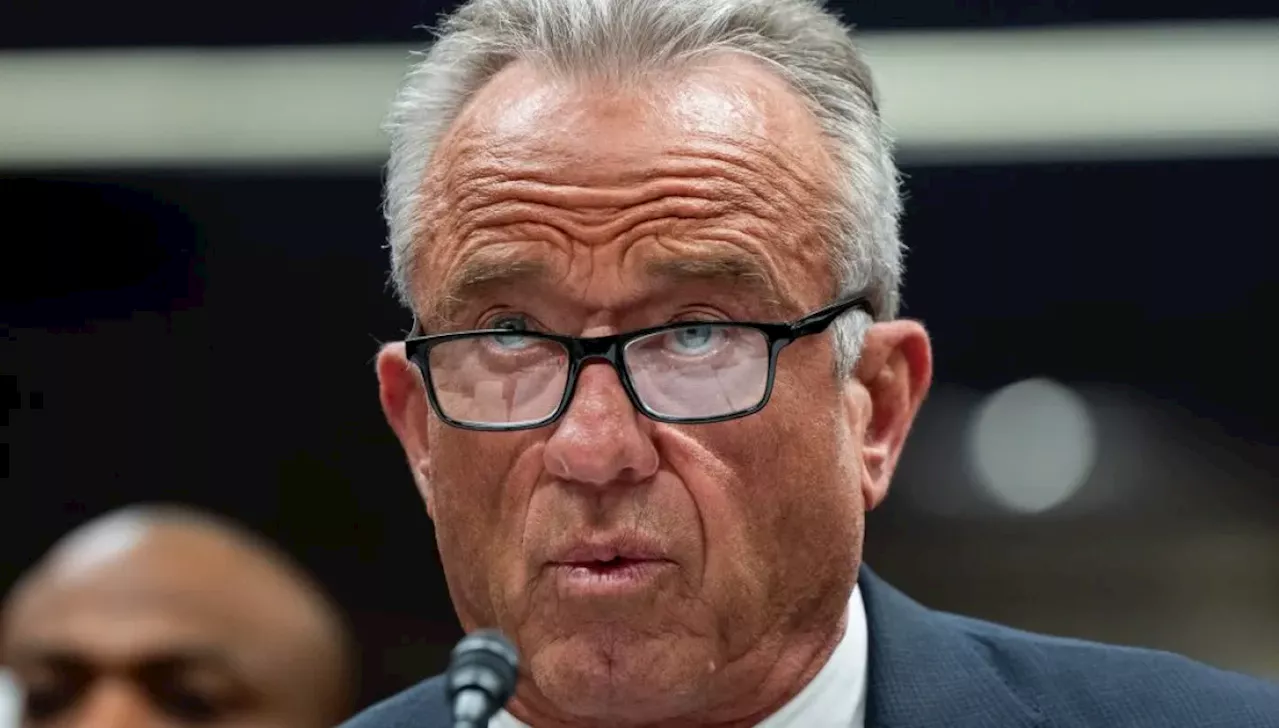
Robert F. Kennedy Jr. Sparks Political Firestorm Threatening Republican Midterm Hold
Robert F. Kennedy Jr., newly appointed Health and Human Services Secretary, is driving a controversial assault on the Vaccine Injury Compensation Program (VICP) that is raising alarm bells for the Republican Party’s hold on Congress ahead of the 2026 midterm elections.
Operating under his Make America Healthy Again (MAHA) agenda, Kennedy has pushed policies that critics warn could dismantle a program that has compensated vaccine injury victims with over $5 billion. This destabilization could lead to increased vaccine costs and shortages—issues that hit working-class families hardest and threaten to ignite voter backlash.
VICP Under Attack: Possible Collapse Endangers Vaccine Supply and Affordability
The VICP, essential since its founding for offering regulatory certainty to vaccine manufacturers and a compensation path for injured individuals, now faces potential collapse amid Kennedy’s controversial leadership. Despite a federal judge blocking many of Kennedy’s appointments earlier this year due to questions about qualifications, HHS has circumvented these rulings through legal workarounds, including revising the Advisory Committee on Immunization Practices (ACIP) charter.
If Kennedy’s efforts succeed in stripping crucial vaccine recommendations from the ACIP, insurers will no longer be mandated by the Affordable Care Act to fully cover these vaccines. This threatens to burden parents with unexpected out-of-pocket costs for pediatric shots that were once free and easily accessible, pushing America back toward the era of vaccine scarcity and rising prices.
Political Fallout Could Derail Trump’s Legislative Agenda and Swing Swing Districts
Polling reveals voters find Kennedy’s moves deeply unpopular across political lines—including moderates and libertarians who helped drive Donald Trump’s 2024 victory but have histories of swinging Democratic. One recent poll showed candidates supporting elimination of childhood vaccine protections face a staggering 12-point net unfavorability.
This matters dramatically with control of Congress hanging on the decisions of swing voters in critical districts nationwide. Experts warn that if Americans feel their freedoms and economic security have eroded since early 2025, they may vote Democrat in strong numbers, handing back congressional control and halting Trump-era policies on tax cuts, deregulation, and trade.
Wider Implications for Ohio and American Families
Ohio voters, many of whom rely on stable vaccine access for their families, are directly exposed to the fallout. Working-class communities face the dual threat of higher healthcare costs and diminished vaccine supply—challenges that fueled previous political shifts.
The Trump administration faces mounting pressure to reconsider the push against VICP, given that these policies threaten to alienate key voter blocs and jeopardize sweeping legislative goals beyond healthcare.
What’s Next
With less than eight months to go before the 2026 midterms, all eyes are on Robert F. Kennedy Jr. and the HHS for any new developments regarding vaccine program policy changes. Political analysts emphasize that the GOP cannot afford to overlook the electoral risks posed by the controversy surrounding vaccine protections and health policy reforms.
Ohioans and Americans nationwide should expect ongoing intense debate and political maneuvering as the midterms approach, with key decisions in Washington set to impact the nation’s health freedoms and economic future.