Trump’s Tariff Strategies Collapsed as Courts Reject Policies and Poll Numbers Plummet
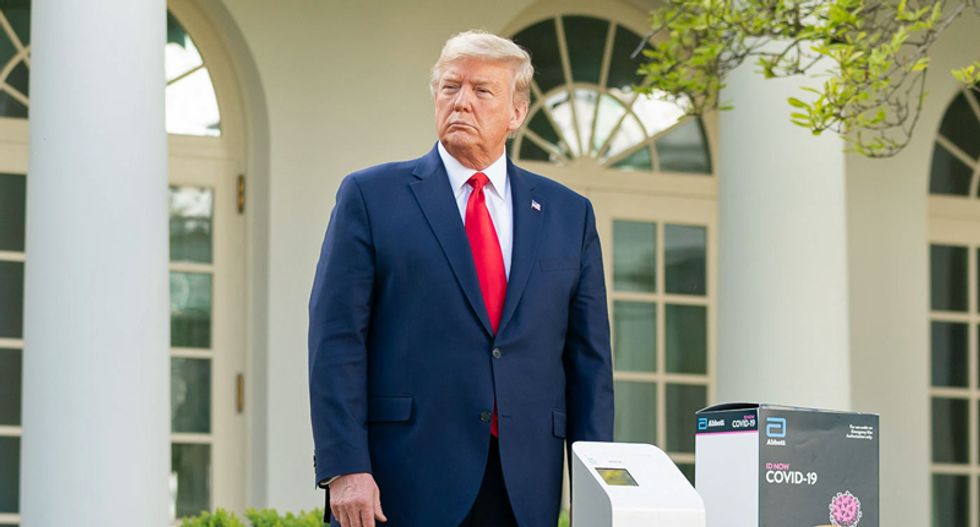
President Donald Trump’s aggressive tariff policies have faced a major setback after the Supreme Court and the U.S. Court of International Trade struck down his latest trade restrictions this week, fueling a sharp decline in his public support on economic issues. Conservative commentator Dan McLaughlin of the National Review argued that Trump fundamentally misunderstood populism, costing him crucial backing from American voters.
The controversy centers on Trump’s “reciprocal tariffs,” initially blocked by the Supreme Court earlier this year. In retaliation, Trump rolled out a new 10 percent global tariff via a different legal route, but the U.S. Court of International Trade nullified this policy just days ago.
McLaughlin suggested Trump might consider this a hidden relief, as his tariffs never gained the popular support the former president expected. “Trump is underwater on every tracked poll issue,” McLaughlin wrote, highlighting the economy and inflation as key drivers dragging down his approval more than immigration or foreign policy.
The timeline is critical: all major tariffs were enacted between February and April 2025. By March 13, 2025, Trump’s polling on economic issues had deteriorated to the worst levels of his first term. Polls from trusted sources including Morning Consult, CNN, Pew Research Center, and the New York Times/Siena consistently show widespread disapproval of Trump’s management of tariffs.
Tariffs Clash with Core Populist Principles, Expert Warns
Beyond the legal defeats, McLaughlin points to a deeper problem: tariffs violate a basic rule of populism that leaders must deliver clear, tangible benefits to working-class voters. Unlike tax cuts, which reduce visible costs for most Americans, tariffs impose immediate price hikes on goods, making voters feel the strain directly and hold the administration responsible.
“The president is trying to raise prices, and when prices seem too high, he’s the obvious guy to blame,” McLaughlin wrote, describing tariffs as a “box canyon” that right-wing populists unknowingly walked into by echoing old criticisms of “trickle-down economics.”
He noted that while conservatives have previously mocked Democratic economic policies as benefiting the wealthy with delayed benefits for workers, Trump’s tariffs do the opposite by causing instant and visible pain for consumers without an easy or credible payoff.
Economic Impact and Voter Reaction: What This Means Right Now
The economic repercussions hit ordinary Americans hard, risking eroded confidence in Trump’s economic leadership. Ohio, with its mix of manufacturing jobs and consumer markets, is emblematic of the battleground state where tariffs raised costs for families and businesses, fueling discontent.
Trade experts warn that prolonged tariff battles could further disrupt supply chains and raise inflationary pressures, which voters are already blaming Trump for—turning what was meant to showcase populist strength into a political liability.
Looking ahead, Trump’s team faces an uphill battle to regain trust, needing to pivot on economic messaging or risk further alienation within his base. With courts blocking both his initial and follow-up tariff policies, the administration’s ability to implement protectionist trade measures appears increasingly limited.
For Ohio residents and Americans nationwide, the debate over tariffs remains a live issue affecting household budgets and political allegiances as the next election cycle approaches.
Closing Analysis
Dan McLaughlin’s critique underscores a dramatic miscalculation from a purportedly populist president. By ignoring the direct economic pain tariffs inflict on voters, Trump may have sacrificed political capital and economic momentum simultaneously.
As the legal setbacks mount and polling figures deepen in the red, the future of Trump’s economic message—and his broader political coalition—hangs in the balance.