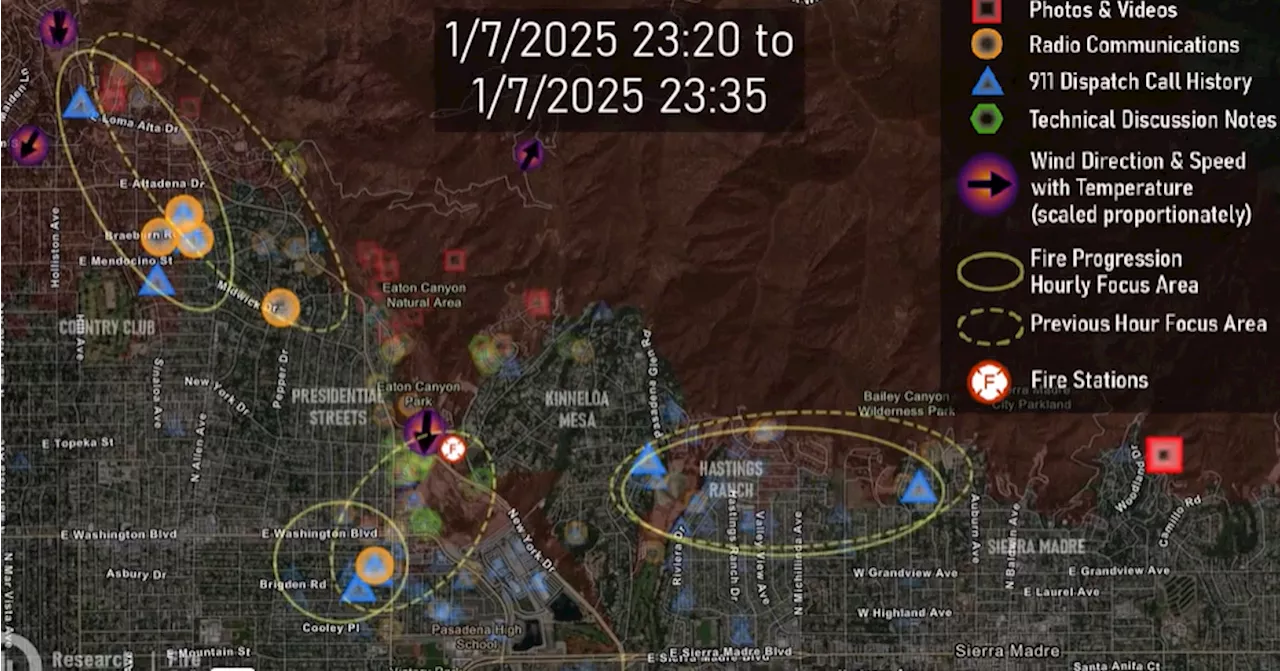
UPDATE: A comprehensive report detailing the devastating January 2025 wildfires in Southern California has just been released, highlighting urgent concerns about fire management and preparedness in the region. This essential analysis, commissioned by the Office of the Governor of California, examines the rapid escalation of the Eaton and Palisades Fires, documenting critical failures and response challenges faced by emergency agencies.
The 350-page report, authored by UL Research Institutes, outlines the timeline of the fires, which erupted on January 7, 2025. It confirms a total of 12 fires during that month and describes how a Particularly Dangerous Situation Red Flag Warning was issued just before the fires ignited, signaling extreme conditions that posed a high risk of property damage and loss of life.
According to the report, the Southern California region is plagued by “persistent conditions conducive to wildfires,” exacerbated by drought-stricken vegetation and rapid wind-driven fire spreads. The analysis reveals that responding agencies were overwhelmed by the simultaneous outbreak of fires, compounded by severe weather conditions. The report states,
“The responding fire and emergency service agencies in this area of Southern California were overwhelmed by the number of concurrent fires; the fires’ severity; and the resulting resource limitations.”
Fire behavior studies conducted on-site indicate that structural components, furnishings, and vehicles fueled the flames, while strong winds and low humidity significantly heightened the risk. The report emphasizes how changing land use patterns have led to an increase in flammable vegetation, creating a hazardous environment for wildfires.
As the fires spread, emergency response was severely hindered by fallen trees, utility poles, and blocked roads, limiting evacuation and firefighting efforts. The report highlights that limited visibility and grounded aircraft due to dangerous winds further complicated containment operations. Damaged water distribution systems reduced firefighting capabilities, draining vital resources when they were needed most.
Despite the immense challenges, ordinary residents and first responders endeavored heroically to save lives and properties amidst the chaos. The report acknowledges their efforts, stating,
“Losses of life and property occurred despite the herculean efforts… who — despite the extremely dangerous conditions — were still able to save countless lives, homes, and businesses.”
The next phase of the analysis, expected soon, will focus on prevention, preparedness, and response strategies, including evacuation and fire suppression operations.
As the aftermath of these devastating fires continues to unfold, officials urge residents to remain vigilant. The insights from this report will be crucial in shaping future policies to mitigate wildfire risks in the region. Stay tuned for updates as more information becomes available.