UVA’s Morven Farm Deploys 130 Cows to Revolutionize Soil Research
CHARLOTTESVILLE, Va. — University of Virginia’s Morven Farm is making headlines as it officially introduced 130 cattle to its sprawling 2,900-acre research site to kick off groundbreaking studies on soil health and sustainable farming.
Environmental scientists and students at the Morven Sustainability Lab are harnessing these live “lab cows” to take soil research beyond the microscope and into the pasture. Manuel Lerdau, research director at the lab, said the shift to a massive outdoor experiment is needed to revolutionize farming practices nationwide. “I like to say I have the biggest lab at UVA,” Lerdau explained, contrasting his 2,900-acre living lab with traditional chemistry benches.
Regenerative Grazing as a Game-Changer
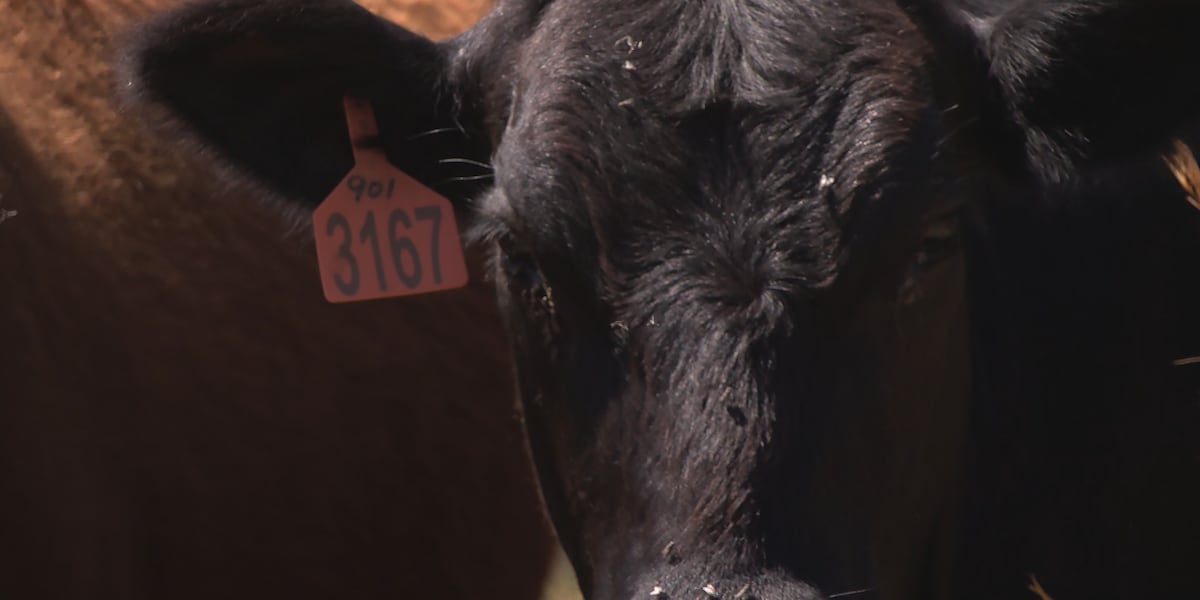
Unlike lab rats, Lerdau and his team are using Red Angus cattle and heifers for a deliberate soil regeneration strategy. Irvin White, caretaker of Morven Farm, said the herd is adjusting quickly to their new environment as they rotate through 25 fenced fields. This rotational grazing method is designed to rest and rebuild grasslands, boosting microbial life and increasing soil nutrients like nitrogen.
“In regenerative grazing, you’re building soil, microbes, and fungi year after year,” White said.
This ancient livestock farming method is gaining fresh attention as a path to sustainable, climate-friendly agriculture.
Big Data from Big Land: Tracking Soil Health in Real Time
As the cows graze, sensors and soil tests run by Lerdau’s student researchers will continually monitor microbial community development and nutrient cycles — data points critical to understanding how regenerative grazing can reshape farming.
“We’re looking at how the soil behaves and changes as the cattle rotate through,” Lerdau said.
From Hay Fields to Cow Pastures: Morven’s Evolving Mission
The cattle mark a pivotal evolution from the farm’s prior focus on hay and grasses. Justin Mallory with UVA’s Foundation said Morven’s mission is to push past traditional land use into innovative sustainability practices that have broad implications for agriculture across the US, including states like Ohio where farming remains a cornerstone industry.
“The Morven Sustainability Lab is shifting paths—from hay to cattle—to create lasting environmental impact,” Mallory said.
Why This Matters to Ohio and Beyond
With soil degradation threatening agricultural productivity nationwide, this research arrives as a crucial resource for farmers seeking sustainable alternatives. Ohio farmers, state agricultural experts, and policy makers can look to Morven’s model to adopt regenerative practices that promise better yields and healthier ecosystems.
By anchoring environmental science in real-world applications, UVA’s initiative demonstrates how science, agriculture, and education can unite to feed a growing population responsibly.
What’s Next for Morven Farm?
The herd is expected to grow by the fall with many heifers expecting calves, expanding patterns of grazing and soil study. Researchers will report ongoing findings that could influence farming techniques across the US.
This innovative use of livestock marks a turning point in environmental research, showcasing a future where sustainable farming is measured not just by immediate harvests but by the long-term health of the soil beneath our feet.