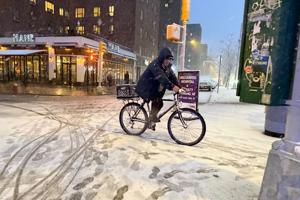
A powerful blizzard has struck the northeastern United States, leading to significant disruptions and trapping millions of residents in their homes. As of February 3, 2024, the storm has brought heavy snowfall, fierce winds, and blizzard warnings across multiple states, including New York, Massachusetts, and Pennsylvania. The National Weather Service has issued alerts detailing hazardous conditions, prompting widespread travel shutdowns and the closure of schools and businesses.
Meteorologists predict snow accumulations exceeding two feet in some areas, with wind gusts reaching up to 60 miles per hour. These conditions have made it perilous for individuals to venture outside, prompting officials to urge residents to remain indoors until the storm subsides. In major metropolitan areas such as New York City and Boston, public transportation is severely impacted, with subway and bus services suspended to ensure passenger safety.
Transportation and Emergency Services Impacted
Transportation networks across the region are facing unprecedented challenges. Airports in New York and Washington, D.C., have reported thousands of flight cancellations. As of midday on February 3, more than 4,000 flights had been cancelled, according to FlightAware, a flight-tracking service. Additionally, major highways have been closed, and officials are advising against travel unless absolutely necessary.
State and local emergency services are on high alert, ready to respond to any incidents caused by the storm. Authorities are coordinating efforts to clear snow and assist those in need. Local shelters have been opened for individuals requiring refuge from the harsh conditions, particularly the homeless population, which is especially vulnerable during extreme weather events.
In light of these developments, the Massachusetts Governor, Maura Healey, declared a state of emergency, allowing for rapid mobilization of resources and support. “We are prioritizing the safety of our residents above all else,” Healey stated during a press briefing. The declaration enables the state to access additional federal resources if necessary.
Community Response and Preparedness
Schools across the region have shifted to remote learning or closed entirely in response to the storm’s impact. Parents have been urged to keep children safe at home, and many families are stocking up on essential supplies as they prepare to weather the storm.
Local businesses are also feeling the effects, with many closing their doors temporarily. Retail operations that remain open are focusing on providing essential goods, though they are facing supply chain challenges due to transportation disruptions. Many grocery stores have experienced a surge in demand for food and other necessities, leading to empty shelves in some locations.
Residents have taken to social media to share their experiences and offer assistance to neighbors. Community groups are organizing efforts to deliver food and supplies to those who cannot leave their homes. The sense of solidarity is palpable as individuals come together to support each other during these challenging times.
As the storm continues to unfold, authorities are closely monitoring conditions and providing updates to the public. The National Weather Service will issue ongoing forecasts, and residents are encouraged to stay informed through local news outlets and official channels.
In conclusion, the blizzard currently affecting the northeastern United States is a significant weather event with widespread implications for travel, safety, and community life. As millions remain trapped at home, the focus remains on ensuring safety and support for those impacted by the storm.