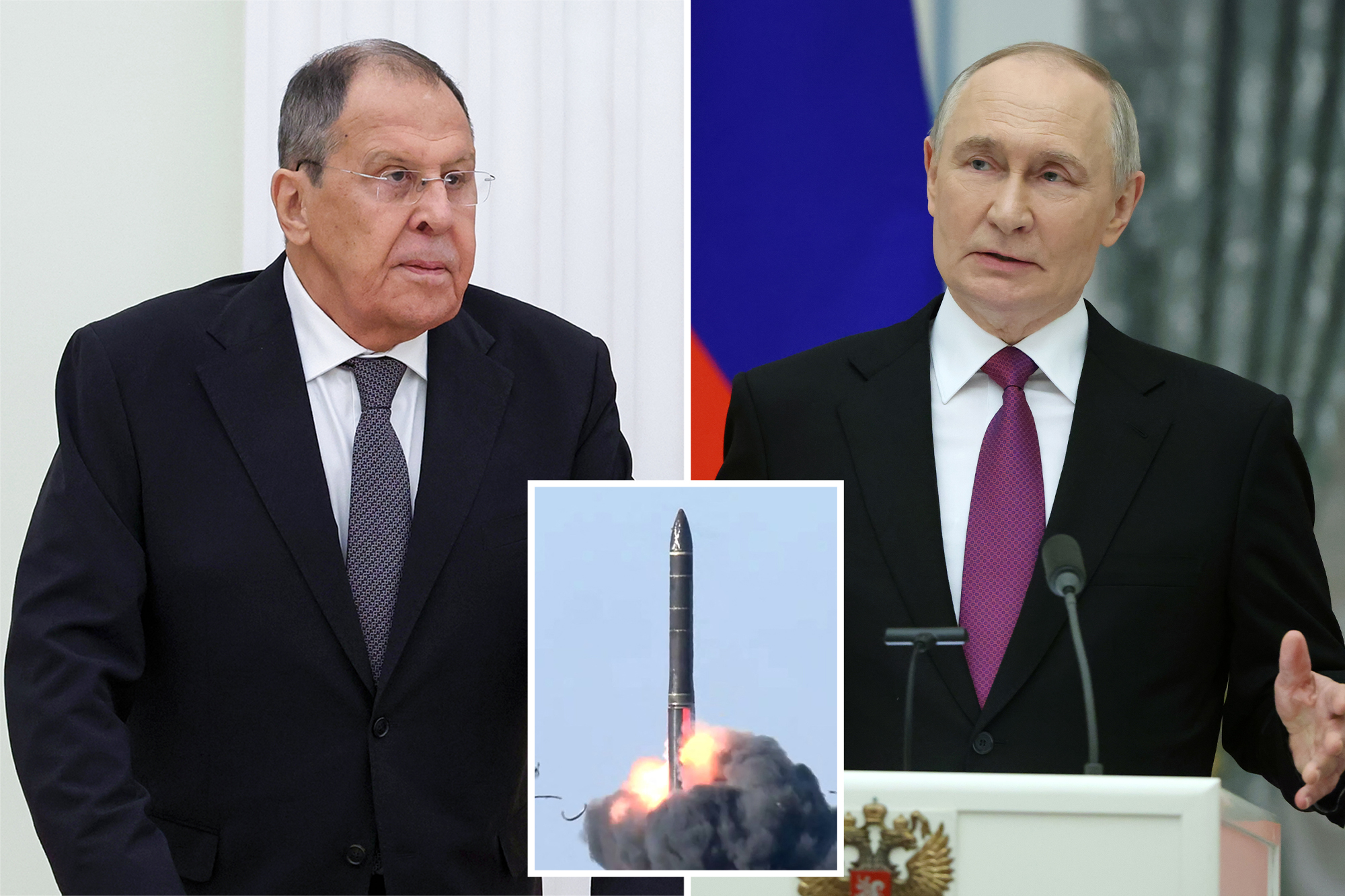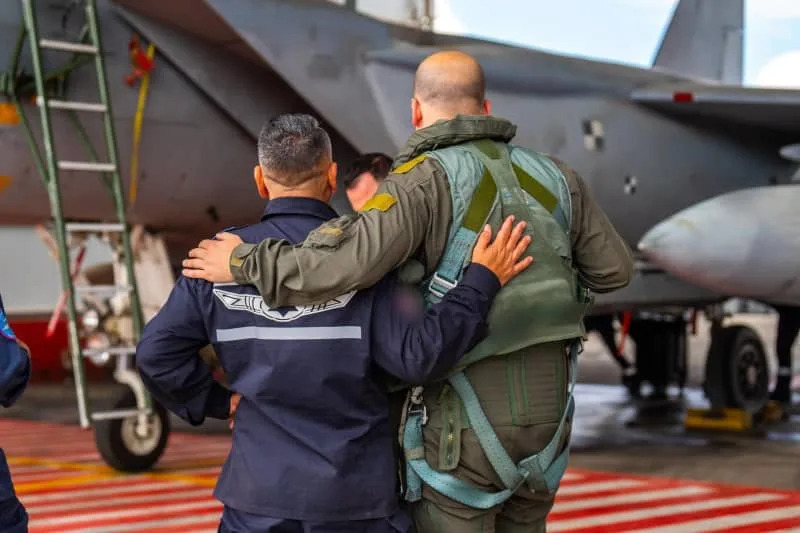
Iran has launched a series of missile strikes targeting Israel and Gulf Arab states following the death of Supreme Leader Ayatollah Ali Khamenei. The strikes occurred on Sunday, a day after a U.S.-Israeli airstrike at Khamenei’s Tehran office resulted in his death. This action has escalated tensions in the region, prompting a stern warning from U.S. President Donald Trump against further Iranian retaliation.
The 86-year-old Khamenei’s death has left a significant leadership void in Iran, raising questions about the future of the Islamic Republic. Iranian state television reported that Khamenei’s demise occurred while he was actively engaged with the public, emphasizing his role in confronting what officials refer to as “global arrogance.” In response to his death, Iran’s Cabinet condemned the incident as a “great crime” and vowed that it would “never go unanswered.”
Trump characterized Khamenei as “one of the most evil people in history,” suggesting that his death provides an opportunity for the Iranian populace to reclaim their country. He warned Iran that any further attacks would be met with an unprecedented response from the United States, stating, “THEY BETTER NOT DO THAT.”
Missile Strikes and Immediate Aftermath
Almost immediately following the initial airstrikes, Iran retaliated with missile and drone attacks directed at Israeli and U.S. military installations in Bahrain, Kuwait, and Qatar. The Israeli military reported that dozens of missiles were launched, many of which were intercepted. Tragically, a woman near Tel Aviv was killed as a result of the missile strikes.
Air travel across the Middle East faced significant disruptions as air defense systems activated, notably in Dubai, where explosions were reported into the following day. The Iranian missile strikes also resulted in damage within the United Arab Emirates, including fatalities and fires at key locations such as the Burj Al Arab hotel.
This latest series of events marks a considerable escalation in U.S. involvement in the region. The airstrike that killed Khamenei is the second major operation by the Trump administration against Iran in less than a year, following a series of military engagements aimed at curbing Iran’s nuclear capabilities. The operation was described as a coordinated effort between U.S. and Israeli forces, with targets including military installations and key figures within Iran’s leadership.
Political Repercussions and Regional Stability Concerns
The death of Khamenei has prompted immediate concerns regarding the stability of Iran’s political structure. In the wake of his assassination, the Iranian government announced a council to oversee governance until a new supreme leader is appointed. This development could lead to a power struggle within the country, as Khamenei was a pivotal figure in Iran’s political and military apparatus.
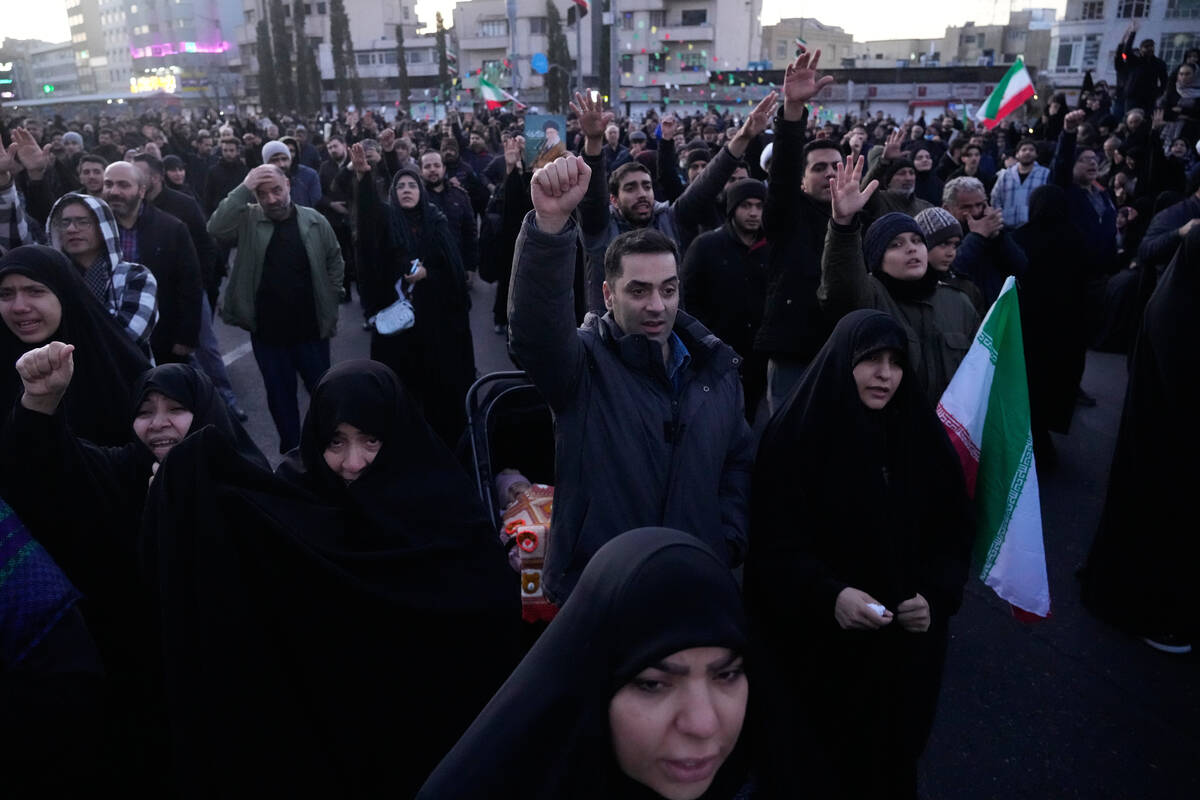
Eyewitness accounts from Tehran indicated mixed reactions to Khamenei’s death, with some residents celebrating while others mourned. The Iranian government declared a public mourning period of 40 days, alongside a week of nationwide holiday to honor Khamenei.
The international community is closely monitoring the situation, particularly due to the potential ramifications for global markets. The Strait of Hormuz, a critical passage for oil shipments, could become a focal point for further conflict. Reports indicated that Iran targeted Saudi Arabia’s capital and eastern provinces, as well as U.S. military bases in the region, including an attack on the U.S. Navy’s 5th Fleet headquarters in Bahrain.
With ongoing exchanges of fire and increased military mobilization in the region, experts warn that the situation could spiral into a broader conflict, impacting not only the Middle East but also global security and economy.