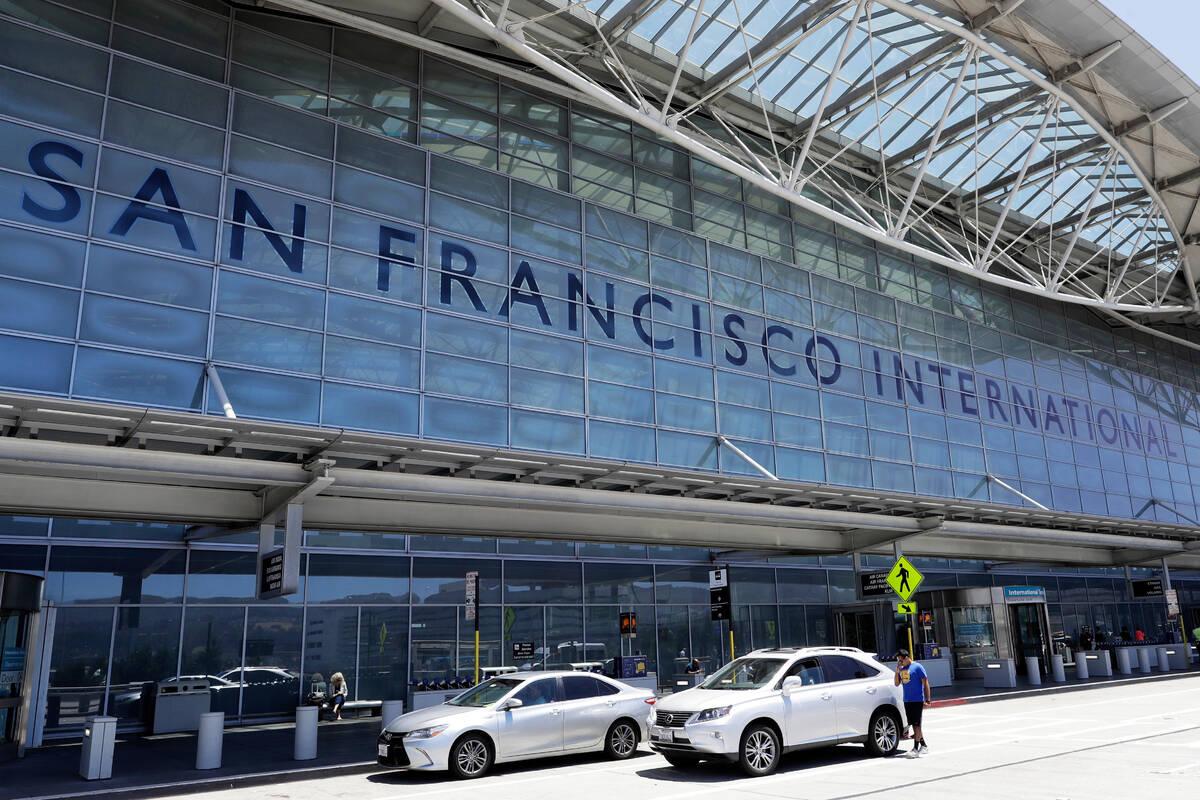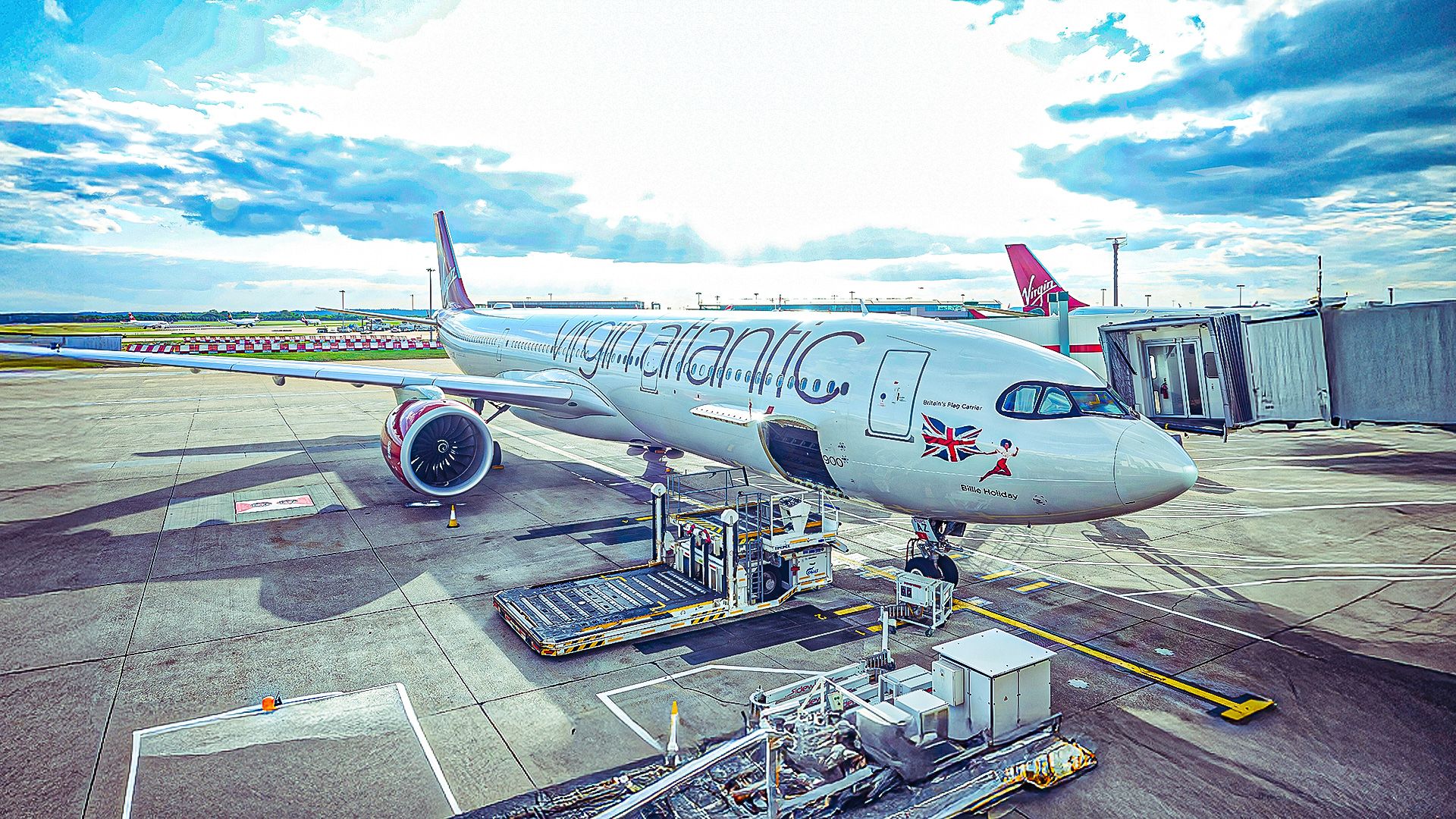
A passenger traveling with Virgin Atlantic was arrested at Miami International Airport (MIA) this week after authorities discovered approximately 65 pounds (29.5 kg) of marijuana packed in her suitcases. The London-bound traveler, identified as Begum Mulazimoglu, 22, was taken into custody following a customs inspection that revealed a strong odor emanating from her luggage.
Mulazimoglu, a resident of London, had checked in two hard-sided suitcases ahead of her scheduled flight to London Heathrow Airport (LHR). During the outbound screening process, customs officers noted the odor, prompting an X-ray examination of the bags. This inspection uncovered a total of 60 vacuum-packed bundles of marijuana, which were found to contain 30 bundles in each suitcase. Additionally, each bag contained an Apple AirTag, a tracking device often employed by traffickers to monitor their contraband.
During the bond hearing, Miami-Dade Judge Victoria Sigler remarked, “It looks like you’re charged with illegal trafficking in 65 pounds of marijuana. Well, that would be heavy.”
### Legal Implications of Drug Trafficking
Mulazimoglu now faces a first-degree felony charge for drug trafficking, which carries significant penalties under Miami state law. Although federal prosecution will not be pursued, the minimum sentence for her offense is three years in prison. Given the quantity of marijuana involved, this minimum sentence may be influenced by the severity of the charge.
In Florida, recreational use of marijuana remains illegal, although medical use is permitted. A recent vote in 2024 to legalize recreational marijuana did not garner sufficient support, but discussions around the topic are expected to continue. Comparatively lighter sentences for marijuana trafficking have been observed in the past, particularly when contrasted with cases involving harder substances. For example, a former baggage handler in California received a 30-month sentence for smuggling over 550 pounds (250 kg) of marijuana.
### Enhancements in Drug Detection Technology
The incident at MIA underscores the ongoing challenges faced by authorities in combating drug trafficking. The aviation sector has made significant advancements in security and screening technologies, which have proven effective in detecting illegal substances. In the fiscal year 2024, U.S. Customs and Border Protection (CBP) reported seizing over 573,000 pounds (259,900 kg) of illegal drugs at U.S. borders, including significant airport busts.
Recently, the CBP introduced an International Remote Baggage Screening initiative, allowing officers to remotely view X-ray images from foreign airports. This capability enables officers to flag suspicious bags before they enter the country, thereby enhancing detection rates and improving overall airport security.
Fentanyl, an opioid, has emerged as a prominent concern in drug trafficking, with the Centers for Disease Control and Prevention (CDC) noting that it was responsible for over 48,000 overdose deaths in the U.S. last year. The CBP is actively trialing a new detection method for fentanyl, utilizing a trace-vapor analysis tool that employs selective ionization chemistry to identify its presence.
As authorities continue to adapt to the evolving landscape of drug trafficking, incidents like Mulazimoglu’s arrest highlight the importance of vigilance in airport security and the ongoing efforts to combat illegal drug transportation.