US Limits Nuclear Intelligence Sharing with South Korea Amid Leak Controversy
The United States has sharply curtailed intelligence sharing with South Korea after a South Korean lawmaker publicly named a highly classified North Korean uranium enrichment site, escalating tensions in a critical military alliance.
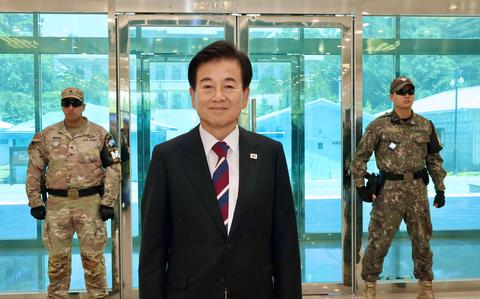
According to reports sourced to South Korean officials and Yonhap News, the US reduced access to sensitive intelligence following Unification Minister Chung Dongyoung identifying the Kusong region as a uranium enrichment facility during a March 6 National Assembly committee session. This facility is regarded as a “joint secret” by the US and South Korea, amplifying concerns over the leak.
Alliance Strains Trigger Immediate Response
South Korea’s Defense Intelligence Agency formally declared the information about the Kusong uranium site classified and shared only with US authorities. The sharing reduction reportedly came swiftly after the disclosure became public.
Military contacts from both countries have assumed a reportedly tight-lipped stance, neither confirming nor denying the intelligence cutbacks. A Ministry of National Defense spokeswoman, Chung Binna, emphasized the importance of discretion, stating, “Specific, real-time disclosure of the status of information sharing…is entirely detrimental to our national security and the US-South Korea alliance.”
Nevertheless, South Korean officials stressed that the limits have not yet impaired real-time operational coordination, particularly during North Korea’s recent missile launches in March and April. This reflects ongoing cooperation despite the current friction.
Political Fallout and Diplomatic Efforts Underway
National Security Adviser Wi Sung-lac, speaking in Hanoi while accompanying President Lee Jae Myung, confirmed active dialogue with the United States to resolve the issue. Wi declined to provide details citing the sensitive nature of intelligence matters but assured both sides are working to restore full cooperation.
Meanwhile, Rep. Sung Il-jong, chair of the National Defense Committee, claimed the USFK commander, General Xavier Brunson, met with South Korea’s Defense Minister Ahn Gyu-back to raise concerns about Chung’s remarks. The Ministry swiftly denied this allegation.
President Lee publicly defended Chung’s disclosure via a post on X stating the information regarding the North Korean facility was already publicly known, signaling political support amid the controversy.
What This Means for US-South Korea Security Relations
The latest intelligence-sharing restraint underscores the fragility of trust in one of the US’s closest military partnerships in Northeast Asia. As North Korea aggressively advances its nuclear program, full intelligence cooperation remains a vital asset for regional security and US interests worldwide.
For Ohio and US readers, developments in US-South Korea relations highlight ongoing challenges in global nuclear deterrence, directly impacting American military strategy and diplomatic priorities in Asia. How quickly the two allies resolve this could influence broader US efforts to counter North Korean nuclear threats.
Next Steps
Observers should watch for official statements from both governments as talks continue. Analysts expect both sides to weigh national security priorities against alliance cohesion carefully. Meanwhile, intelligence operations remain in close coordination, ensuring immediate threats like missile launches are still tracked effectively.
The US and South Korea face mounting pressure to rebuild trust to maintain the region’s delicate security balance and prevent further erosion of intelligence collaboration vital to protecting US and allied security interests globally.