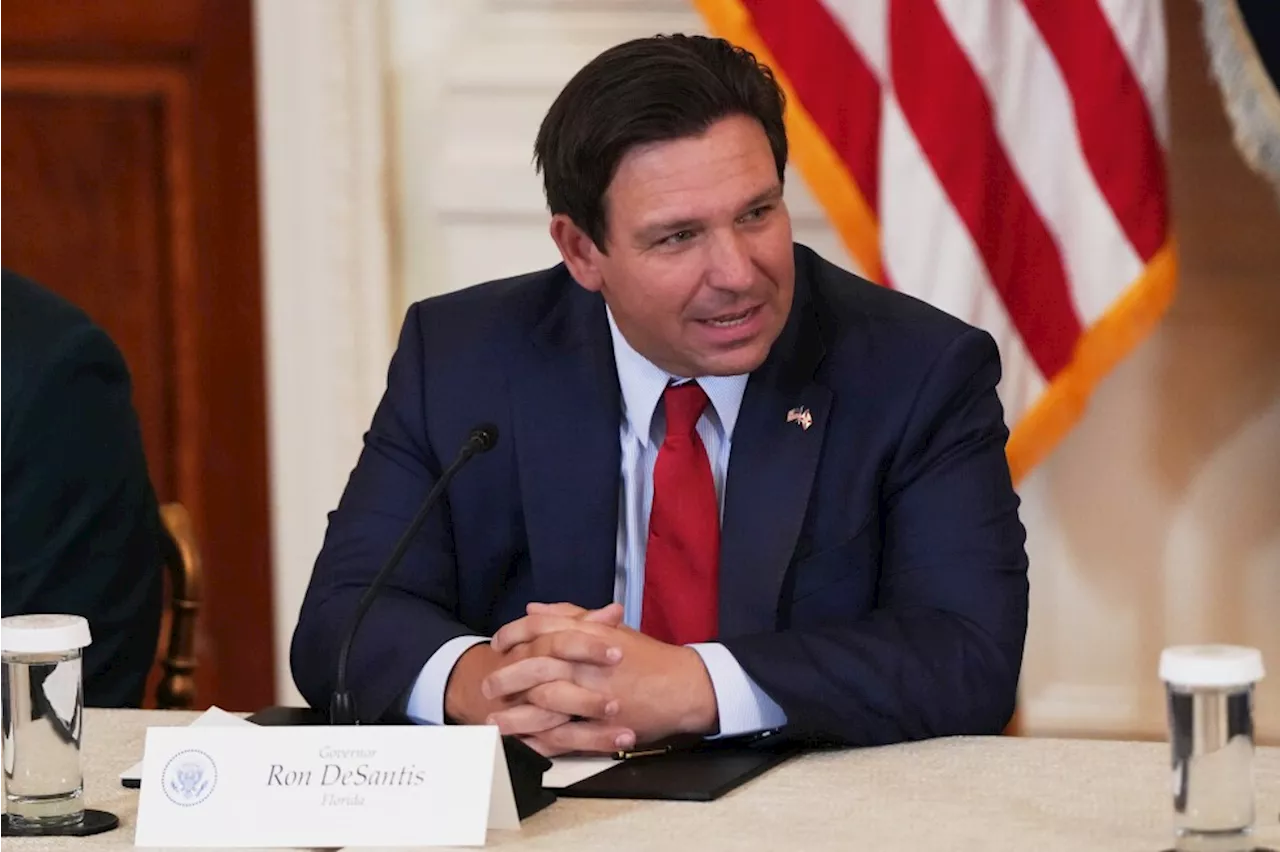
Florida Governor Ron DeSantis is thrust back into the national spotlight as he aggressively pushes for a new congressional map designed to give Republicans four additional seats in the state’s U.S. House delegation ahead of this November’s midterm elections.
The proposed redistricting, revealed this week, seeks to counterbalance expected Democratic gains in nearby states like Virginia, repositioning Florida as a critical battleground that could sharply reshape the party landscape.
With DeSantis’ second term drawing to a close, the unprecedented special legislative session starting Tuesday marks one of the governor’s final high-stakes moves to prove he remains a future frontrunner for Republican leadership nationwide.
DeSantis’ Plan Targets Four More GOP Seats in Contested Districts
The governor unveiled his detailed map on Monday, aiming to consolidate Republican voters by redrawing districts in and around Democratic strongholds such as Orlando and Tampa Bay. The plan also compresses Democratic voters into fewer South Florida districts, threatening the seats of prominent Democrats like Reps. Jared Moskowitz and Debbie Wasserman Schultz.
Currently, Florida’s congressional delegation tilts 20-8 in favor of Republicans. DeSantis’ map targets a dramatic shift to a 24-4 GOP majority, a move that would significantly elevate the Republican foothold in the state.
Republican Leaders Brace for Possible Backlash and Internal Frictions
Yet, the bold gambit carries risks. Some Republican lawmakers fear the new map’s narrow GOP majorities could backfire, making it easier for Democrats to win competitive districts in an anti-Trump political environment.
House Speaker Daniel Perez and Senate President Ben Albritton have held firm on constitutional and procedural boundaries, stressing the need to avoid overtly partisan gerrymandering. Both leaders have awaited DeSantis’ formal proposal before taking active stances.
“We’re ready to have that conversation,” Perez told South Florida media recently. But many insiders watch closely whether party unity will hold through the special session amid tension and differing redistricting visions.
DeSantis Battles Trump and GOP Rivals Over Party Future
DeSantis’ return to the spotlight is also a strategic effort to stake his claim as the next GOP standard-bearer after a bruising 2024 presidential primary clash with former President Donald Trump. Though DeSantis endorsed Trump post-campaign, friction within their camps remains palpable.
The governor’s bold rhetoric came last week when responding to House Minority Leader Hakeem Jeffries’ D-N.Y. challenge. DeSantis offered an audacious bet to host Jeffries in Florida and “take you fishing,” signaling his readiness to confront Democrats head-on.
However, DeSantis faces internal competition from figures like Vice President JD Vance and Florida Secretary of State Marco Rubio, making the road to GOP presidential nomination increasingly narrow, as noted by GOP pollster Whit Ayres.
Additional Legislative Pushes Add Complexity Ahead of Midterms
Beyond redistricting, DeSantis is championing measures to regulate artificial intelligence and expand vaccine exemptions in public schools—proposals that have struggled in the Florida House but energized core conservative voters.
His AI safeguards include requiring parental consent before children can interact with chatbots, reflecting rising concerns about technology’s impact on minors. On vaccines, DeSantis seeks a new conscience exemption alongside existing religious exceptions, aligning with anti-vaccine factions within the party.
Despite legislative challenges, DeSantis loyalist and top fundraiser Brian Ballard emphasized the governor’s political savvy and past success with redistricting, reminding critics of the 2021 map that strengthened GOP power in Florida.
What’s Next for DeSantis and Florida’s Political Landscape
The coming days will test DeSantis’ influence over a growingly fractious GOP and the state legislature’s willingness to endorse his vision. Lawmakers must balance aggressive partisan advantage against legal limits and potential electoral backlash.
Florida’s redistricting battle is more than a state fight—it’s a high-stakes national contest with implications for control of Congress and the future of Republican leadership heading into the 2028 elections.
“Donald Trump has a long memory, and Susie Wiles has a longer one… that doesn’t bode well for Gov. DeSantis to be Donald Trump’s Republican successor,” an insider said, underscoring the ongoing tensions.
Ohio voters and political watchers nationwide should monitor Florida’s evolving redistricting saga closely, as its outcomes may influence strategies and election dynamics across key states this fall.