Legendary documentarian Barbara Kopple is back with a powerful new film targeting Amazon’s complex labor dynamics, following decades of Oscar-winning work on the American labor movement.
Kopple, who first rose to fame capturing the raw struggles of coal miners in Kentucky and Hormel meatpacking workers in Minnesota, is now confronting the modern-day challenges facing delivery workers and unions in the gig economy. Her new focus: the fight unfolding at Amazon alongside UPS, the Teamsters, and the independent “deliveristas” who face exploitation without benefits or protections.
From Coal Mines to Clicks: Kopple’s Labor Lens Evolves
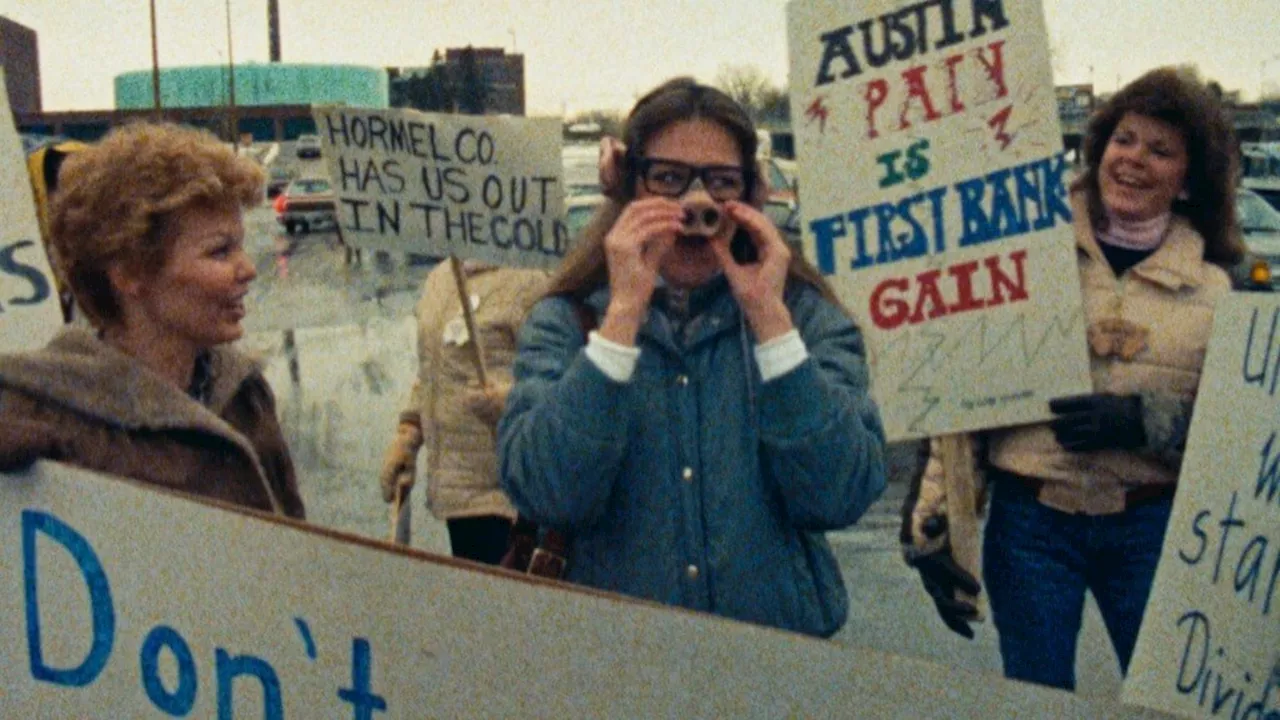
Beginning her career by chronicling the bitter 1970s coal miners’ strike in Harlan County, Kentucky, Kopple exposed a David versus Goliath battle that spotlighted corporate cruelty and worker solidarity. Her follow-up in the late 1980s documented the tumultuous strike at the Hormel meatpacking plant in Austin, Minnesota, portraying fractured union allegiances and relentless corporate profit-seeking amid wage cuts.
Both films won Oscars and remain relevant as labor struggles continue amid shifts in the national economy and workforce rights. Interviewed recently, Kopple described her journey as one fueled by deep immersion into the communities she films. “You can’t just stay a week or two,” she said. “I’ve lived in these communities for years.”
Inside the Amazon Labor Fight
Kopple’s latest project dives into the exploitative gig economy, focusing on Amazon’s workforce of independent contractors—delivery drivers who are technically not Amazon employees yet can be fired by the company. These workers self-fund their own bikes, motorcycles, and safety gear, bear all risks, and receive no benefits, exposing a stark reality of modern labor precarity.
The film also covers UPS and the Teamsters’ ongoing fight to uphold union contracts a century after their establishment, revealing that despite historic wins, corporations continue undermining worker rights and wages.
“Amazon can fire these independent workers but never hires them,” Kopple explained. The workers, many immigrants, face no job security or health coverage, dramatically differing from traditional union protections the Teamsters still struggle to secure.
Labor Movement’s Fractures and Worker Realities
Kopple’s previous work highlighted intense rifts within labor communities. In Minnesota, she documented the painful division between union loyalists—P-9 versus P-10 rank-and-file groups—that splintered families and test loyalty to unions versus survival.
“I sat with men who had to choose between their union and their family, some breaking decades-long principles just to survive,” Kopple said, describing scenes where men tearfully crossed picket lines.
These moments reveal the emotional and economic toll union fights take on working-class Americans, themes still gripping today’s labor battles.
Filmmaking in Tough Times
Despite the significance of her films, Kopple opens up about the struggle to fund socially charged documentaries in an era hostile to union interests and arts financing. With the National Endowment for the Arts severely limiting funding for social issue projects, Kopple relies on grassroots donations and creative fundraising to keep telling critical labor stories.
“I remember when they turned off my electricity,” she said, laughing through the hardship, “but the passion to tell these stories is stronger than ever.”
Why This Matters Now
Kopple’s new documentary on Amazon arrives amid a resurgence in labor activism across the United States as workers push back against unstable gig jobs and eroding union power. For Ohio audiences, where industrial decline and worker unrest resonate deeply, her film provides urgent insight into the evolving battle for fair work conditions.
With corporate giants expanding control over labor forces through opaque contracting policies, the lives and livelihoods of thousands of delivery workers hang in the balance. Kopple’s decades of embedded storytelling offer a front-row seat to this pivotal moment in American labor history.
What’s next? Kopple’s film is currently in production and promises to spark new conversations on the future of work and unions in the US economy. Watch for its release to join the national debate driving labor policy and corporate accountability in 2026 and beyond.
For Ohio and all Americans who rely on these workers every day, Barbara Kopple’s new film promises a penetrating look at the human cost behind the boxes delivered to our doorsteps.