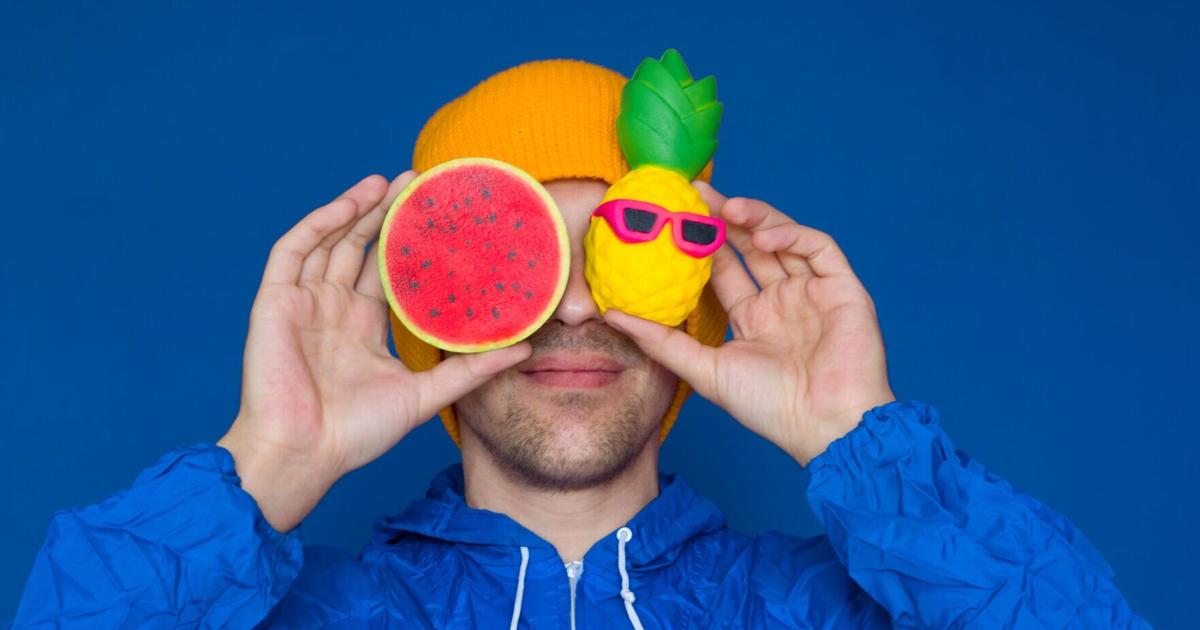
The “trinket trend” is sweeping across the United States and into Ohio homes, fueled by Gen Z’s restless search for small joys amid economic uncertainty. Collecting tiny toys and accessories like Owala, Stanley water bottles, Jellycat plushies, and NeeDoh squishy toys is no longer just a child’s pastime — it has morphed into a massive cultural movement that’s impacting wallets and cluttering spaces from coast to coast.
Gen Z Drives Surge in Trinket Craze
According to MaryLeigh Bliss, chief content officer at youth research group YPulse, more than half of Gen Zers don’t expect economic improvement this year, pushing them to seek affordable indulgences. At the National Retail Federation’s State of Retail & Consumer event in March, Bliss explained how this generation prioritizes “buying the things they want” as a survival strategy in a challenging financial environment.
These small, often inexpensive items deliver what Bliss calls “little dopamine hits” — quick bursts of joy that help people cope with high living costs and job market instability. Trinkets like Funko figures retail around $15, while NeeDoh stress balls go for about $5, making them accessible but irresistible.
More Than Child’s Play: Emotional and Social Impact
Trinkets are not just toys. Mental health experts like Kiki Jacobson, a licensed counselor in North Carolina, say that collecting and playing with these items aids sensory regulation and stress relief, particularly benefiting those with ADHD and autism. The trend spans generations: kids like Gen Alpha love sensory squishies, while many adults engage in “kidulting” — embracing childhood pastimes for comfort.
In Ohio homes, this trend is tangible. Parents report kids bonding over trading keychains and building imaginary worlds with tiny figures. But the surge can quickly overwhelm living spaces. One Ohio mom shared how her young children’s “dozens” of squishy toys from birthdays, dentist visits, and trips now feel like hundreds, spilling out into every nook and cranny.
Skyrocketing Demand Fuels Resale Frenzy
The craze’s intensity is driven by social media algorithms on TikTok and Instagram, creating viral loops through unboxing videos and “drop” announcements. This has inflated demand — certain collectible trinkets like Labubu monsters and NeeDoh toys are flying off retail shelves and inflating resale prices to hundreds, even thousands, of dollars.
Jacobson warns that this amplification makes the trend feel urgent, which can pressure buyers into impulsively purchasing items that may not bring lasting satisfaction. Meanwhile, financial experts caution about the piling cost—even small purchases add up rapidly, sometimes stressing family budgets.
Downsides: Clutter, Conflict, and Cleanup
Parents in Ohio and nationwide are raising red flags: trinkets cause clutter, with overflowing toy boxes and crowded countertops becoming a common complaint. They also note the stress of constant disputes between kids fighting over prized items and safety concerns like toddlers putting small toys in their mouths.
Another risk is how easy trinkets are to lose or damage. Backpacks lose keychains, tiny toys get forgotten in pockets and ruined in washing machines, and squishy toys sometimes burst unexpectedly, creating frustrating messes. One Ohio parent recently described cleaning “water beads” from a popped toy all over their car.
How to Navigate the Trinket Trend Wisely
Experts suggest consumers take a deliberate approach to it. Don’t rush to buy items just because they are trending. Set clear spending limits and space boundaries to avoid clutter and overspending. Avoid buying on credit or buy-now-pay-later plans for nonessential trinkets to prevent debt.
Alternatives like off-brand items or joining local trinket trade groups can keep participation affordable and fun without breaking budgets. Neighborhood groups and social media communities often offer free or low-cost toys, allowing families to enjoy the trend responsibly.
While the trinket trend reflects deeper economic and social currents shaping American lifestyles, especially among younger generations, it also highlights the universal desire for small pleasures in uncertain times. For Ohio families caught in the middle, balancing joy and cost behind every tiny treasure remains the challenge of the moment.
“It’s not necessarily a huge splurge, but consistent purchases that give a little dopamine hit to get through the weeks,” said MaryLeigh Bliss.
The trend shows no signs of fading, with online searches for related toys hitting new highs and communities forming around collections. Ohio households looking to ride the wave must act fast to enjoy the positives without drowning in the clutter and cost.