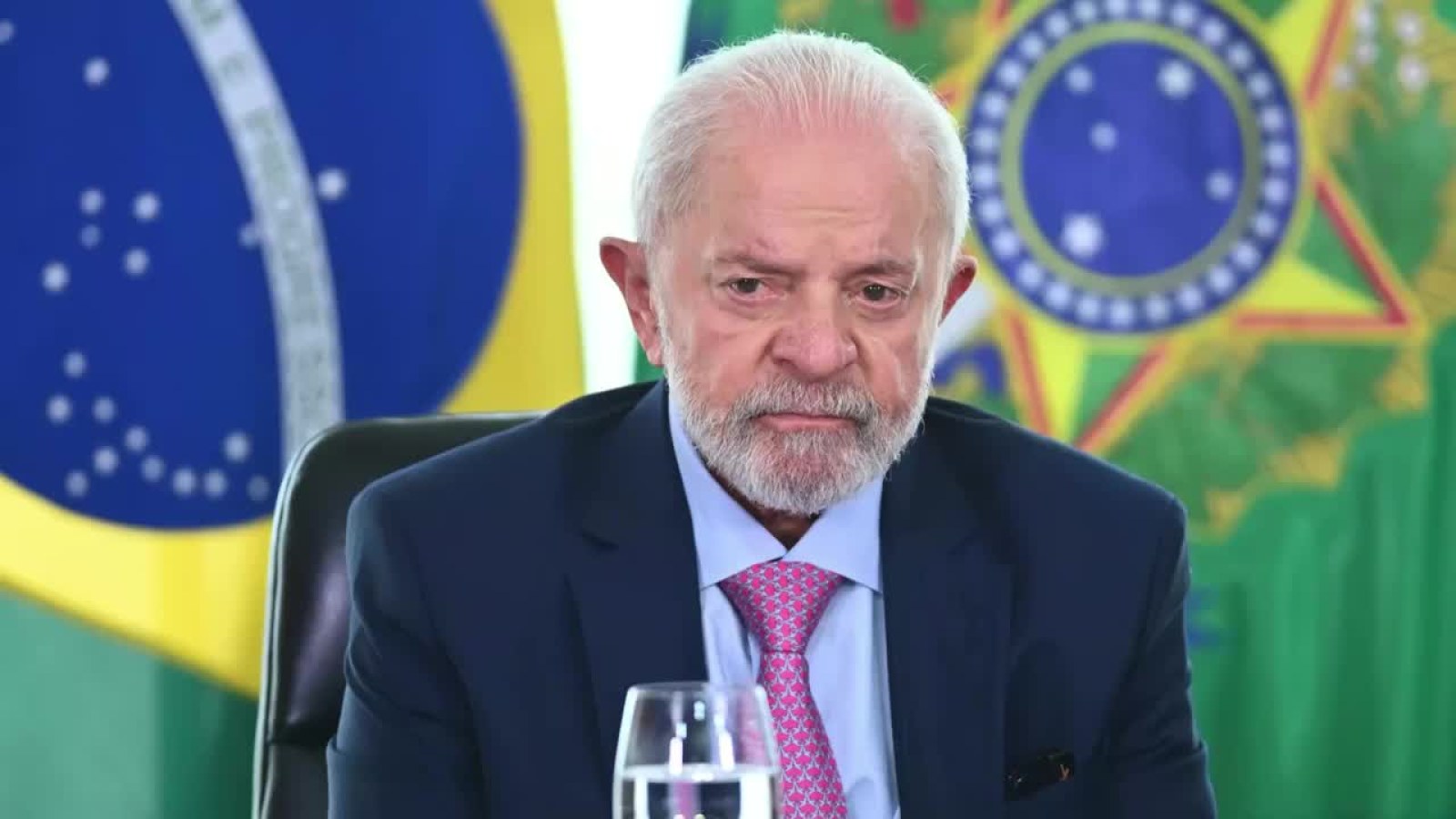
Washington D.C. — President Donald Trump and Brazilian President Luiz Inácio Lula da Silva met at the White House today in a sudden shift from the expected high-profile bilateral event after a last-minute cancellation of their joint press appearance.
The meeting was originally scheduled to include an Oval Office photo opportunity and public remarks between the two leaders, but Brazil’s delegation requested any interaction with the media be delayed until after private discussions ended. Reporters gathered were later informed that no press event would take place at all, leaving many journalists stunned.
NewsNation White House correspondent Kellie Meyer reported Brazilian journalists began leaving the White House following the announcement that Lula would depart immediately after lunch without speaking publicly alongside Trump. Spanish ABC correspondent David Alandete described the sudden change as “an unusual shift” for what was expected to be a major diplomatic moment.
Despite the lack of public visibility, Trump took to his Truth Social platform to declare the meeting “went very well” with the “very dynamic President of Brazil.” He highlighted discussions on critical topics including trade and tariffs and indicated ongoing talks would continue in the coming months with possible future meetings.
Trade Tensions Remain Central
This White House encounter comes amid a complex and tense trade relationship between the United States and Brazil. In the previous year, Trump imposed 50 percent tariffs on Brazilian imports, citing concerns over political motivations behind former Brazilian President Jair Bolsonaro’s prosecution. Bolsonaro, a known Trump ally, was eventually convicted over an alleged coup attempt against Lula’s government.
Although many tariffs have been lifted, some Brazilian exports still face higher duties until July. In addition, ongoing U.S. investigations under Section 301 into Brazil’s alleged unfair trade practices—covering ethanol, digital commerce, and environmental policies—have kept tensions simmering and could pave the way for new tariffs.
Behind Closed Doors: What This Means for U.S.-Brazil Relations
The decision to hold the meeting behind closed doors fuels questions about the durability of the relationship between the two leaders. Transparency and overt shows of unity are often used in diplomacy to signal strength and partnership. Instead, the private nature of this meeting underlines the cautious and fragile state of U.S.-Brazil ties right now.
For Ohio businesses and consumers, the stakes are high. Brazil is a key trade partner in sectors including agriculture and ethanol production—areas where tariffs and trade barriers directly impact pricing and supply chains across the Midwest.
Observers will watch closely whether future meetings will restore public confidence in bilateral cooperation or if the private talks indicate deeper political and economic divisions. The next few months will be critical as discussions continue and as July deadlines approach for tariff expirations.
What’s Next?
Officials confirm representatives from both nations will continue working on trade and tariff issues behind the scenes, potentially setting the stage for renewed diplomacy and formal announcements in coming months. As this story develops, U.S. and Brazilian officials must balance sensitive political factors with economic realities affecting millions on both sides of the hemisphere.
Donald Trump on Truth Social: “Just concluded meeting with the very dynamic President of Brazil. Discussed many topics including Trade and Tariffs. Meeting went very well.”
Stay tuned to The Ohio Observer for real-time updates on this critical diplomatic moment with direct impact on trade and economic relations between the United States and Brazil.