Tensions are escalating in the West Bank as Israeli Prime Minister Benjamin Netanyahu takes assertive actions that appear to contradict the objectives of the U.S. administration under President Donald Trump. This development raises concerns about the future of American influence in the region, particularly regarding ongoing efforts to stabilize the situation in Gaza.
Netanyahu’s government has been moving forward with plans that many observers view as provocative. These actions not only challenge the U.S. diplomatic approach but also put pressure on the Palestinian territories. Without timely intervention from Washington, analysts warn that Netanyahu could effectively outmaneuver U.S. policies, undermining American efforts to broker peace in Gaza.
Growing Concerns Over Israeli Policies
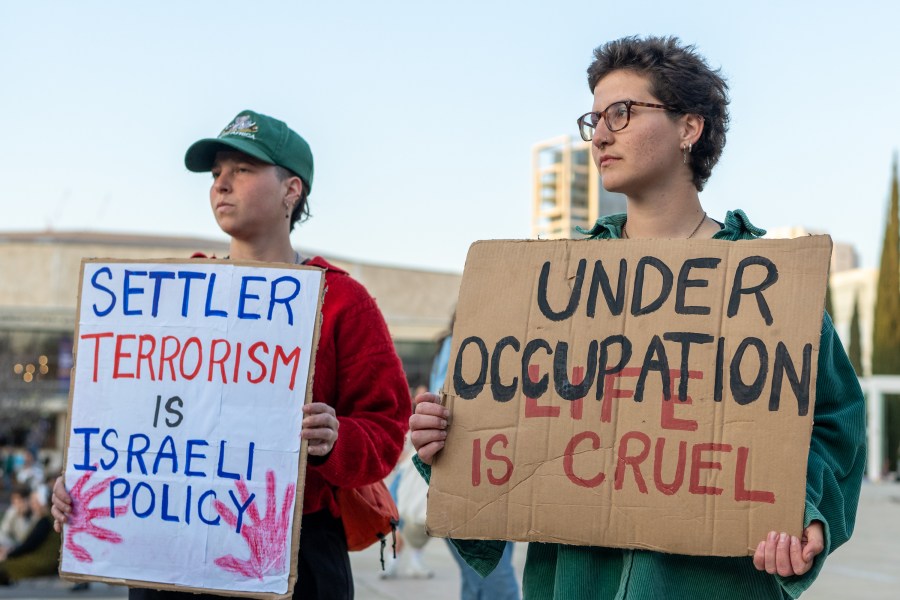
The Israeli leadership has signaled a willingness to expand its presence in the West Bank, a move that contradicts U.S. expectations for de-escalation in the region. As of June 2023, reports indicate that Israel is advancing settlement constructions, a contentious issue that has long been a barrier to peace negotiations. The U.S. administration, which has historically advocated for a two-state solution, has yet to respond decisively to these developments.
Critics argue that Netanyahu’s actions could lead to heightened tensions and violence, further complicating an already fragile situation. The Israeli Prime Minister’s strategies may not only alienate Palestinian leaders but also challenge U.S. credibility on the world stage.
The Implications for U.S. Foreign Policy
The implications of Israel’s recent maneuvers extend beyond the immediate region. They threaten to reshape U.S. foreign policy in the Middle East, particularly as Washington seeks to maintain its role as a mediator. The lack of a clear response from the U.S. could embolden Israel to pursue more aggressive policies, diminishing the prospects for a peaceful resolution to the conflict.
Political analysts suggest that the upcoming months will be critical for the U.S. administration. Should it fail to address the situation effectively, it risks not only losing influence in the Israeli-Palestinian conflict but also creating a precedent for other nations to disregard American leadership.
The situation remains fluid, with both domestic and international repercussions at stake. Stakeholders in the region are closely monitoring developments, as the balance of power could shift dramatically depending on the actions taken by both Israel and the United States in the coming weeks.
As tensions mount, the world watches closely, aware that the outcome of this geopolitical standoff could have lasting consequences for stability in the Middle East and beyond.